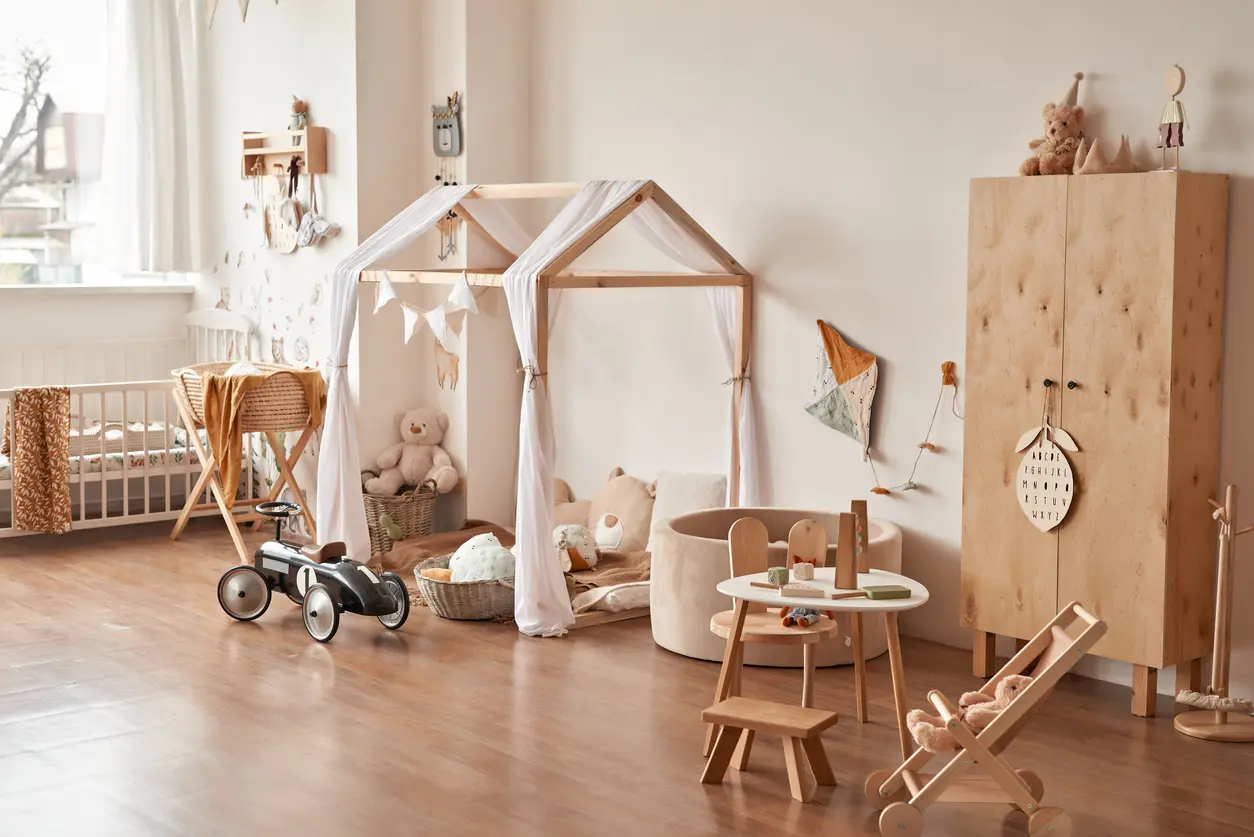
Preparing for a baby often involves choosing products for almost every part of family life. From nursery accessories and feeding products to clothing, toys and changing essentials, parents can find themselves making dozens of buying decisions before and after their child arrives.
Naturally, many parents want products that look good as well as perform their intended role. A carefully designed nursery, attractive baby clothing or coordinated feeding accessories can all help make the experience feel more personal. However, appearance alone rarely determines which products become everyday favourites.
Balancing style and practicality when buying baby products means looking for items that fit comfortably into family life while still reflecting personal tastes. Comfort, quality, functionality and durability can be considered alongside colour, materials and design rather than treating the two sides as competing priorities.
Why does practicality matter when choosing baby products?
Parents quickly discover that baby products tend to be used repeatedly.
A changing product may be used several times each day. A favourite blanket may travel between rooms and accompany the family on days out. Bowls, bibs and plates can become part of regular mealtimes.
Products that are inconvenient to use can therefore become frustrating surprisingly quickly.
Think about everyday situations
Before buying something, it can help to imagine actually using it.
For example, parents could ask:
- Where will this product be kept?
- How often will we use it?
- Is it straightforward to use?
- Does it fit our available space?
- Is it practical to look after?
- Does it suit the child’s current stage?
These questions help reveal whether an attractive product will genuinely fit into daily routines.
Practical does not have to mean boring
Functionality and appearance are not mutually exclusive.
Thoughtfully designed products can combine both.
The aim is to avoid choosing something purely because it looks appealing while overlooking whether it will actually be useful.
Can stylish baby products still be suitable for everyday use?
Absolutely.
Style becomes much easier to incorporate when parents first understand what they need from the product.
Consider a nursery basket.
Its primary purpose might be to keep blankets, toys or other baby accessories organised. Once parents know the size, shape and practical features they need, they can then choose a design that complements the nursery.
This approach works across many baby product categories.
Start with purpose, then consider appearance
A useful order for making decisions is:
- Identify what the product needs to do.
- Check that it is appropriate for its intended use.
- Consider comfort and practicality.
- Look at quality and durability.
- Choose a style that fits personal preferences.
This makes style part of a considered buying decision rather than the only reason for choosing an item.
Which features make baby products more practical?
Different products naturally have different requirements, but several considerations appear repeatedly across baby accessories.
Comfort
Comfort is particularly important for products that babies wear, sit on or regularly come into contact with.
For clothing, parents may consider how the fabric feels and whether it allows comfortable movement.
For soft nursery products, the materials and intended use will be relevant.
A beautiful product that a baby finds uncomfortable is unlikely to become an everyday favourite.
Ease of use
Parents often need to complete everyday tasks while holding, supervising or responding to their baby.
Products that are unnecessarily complicated can quickly become inconvenient.
Simple designs can often work particularly well.
Ease of care
Babies create mess.
Feeding products may need cleaning after every use, while clothing, blankets and other fabric products can require frequent washing.
When comparing products, parents can consider how straightforward they will be to maintain.
Appropriate sizing
Size can influence practicality in several ways.
A large nursery product may look impressive but overwhelm a smaller room.
Similarly, feeding accessories should be appropriate for the child’s developmental stage and intended use.
Why does durability matter?
Baby products can experience surprisingly demanding everyday use.
They may be:
- Dropped
- Washed
- Carried around
- Packed for journeys
- Used several times each day
- Passed between rooms
Durability therefore contributes to practicality.
Consider value beyond the initial purchase
The cheapest product is not automatically the best value, just as the most expensive product is not automatically the highest quality.
Parents can think about how often they expect to use something and whether it appears suitable for that level of use.
A well-chosen product that continues performing its role over time can offer more practical value than something that quickly needs replacing.
How can parents choose products that fit naturally into their home?
Baby products can take up a considerable amount of space.
Parents may initially imagine creating a completely separate world within the nursery, but baby items inevitably find their way into living rooms, kitchens and other parts of the home.
Choosing products that fit naturally into the wider home can therefore be worthwhile.
Think beyond the nursery
Baskets are a good example.
A basket may begin life storing baby blankets in the nursery.
Later, it might be moved elsewhere and used for:
- Toys
- Games
- Books
- Other family items
A timeless design may therefore remain useful even when its original purpose changes.
Avoid overcrowding
Style can sometimes encourage parents to add products simply to complete a particular look.
However, a nursery does not need to be filled with accessories to feel welcoming.
Leaving clear space can make the room easier to use and provide flexibility as the child grows.
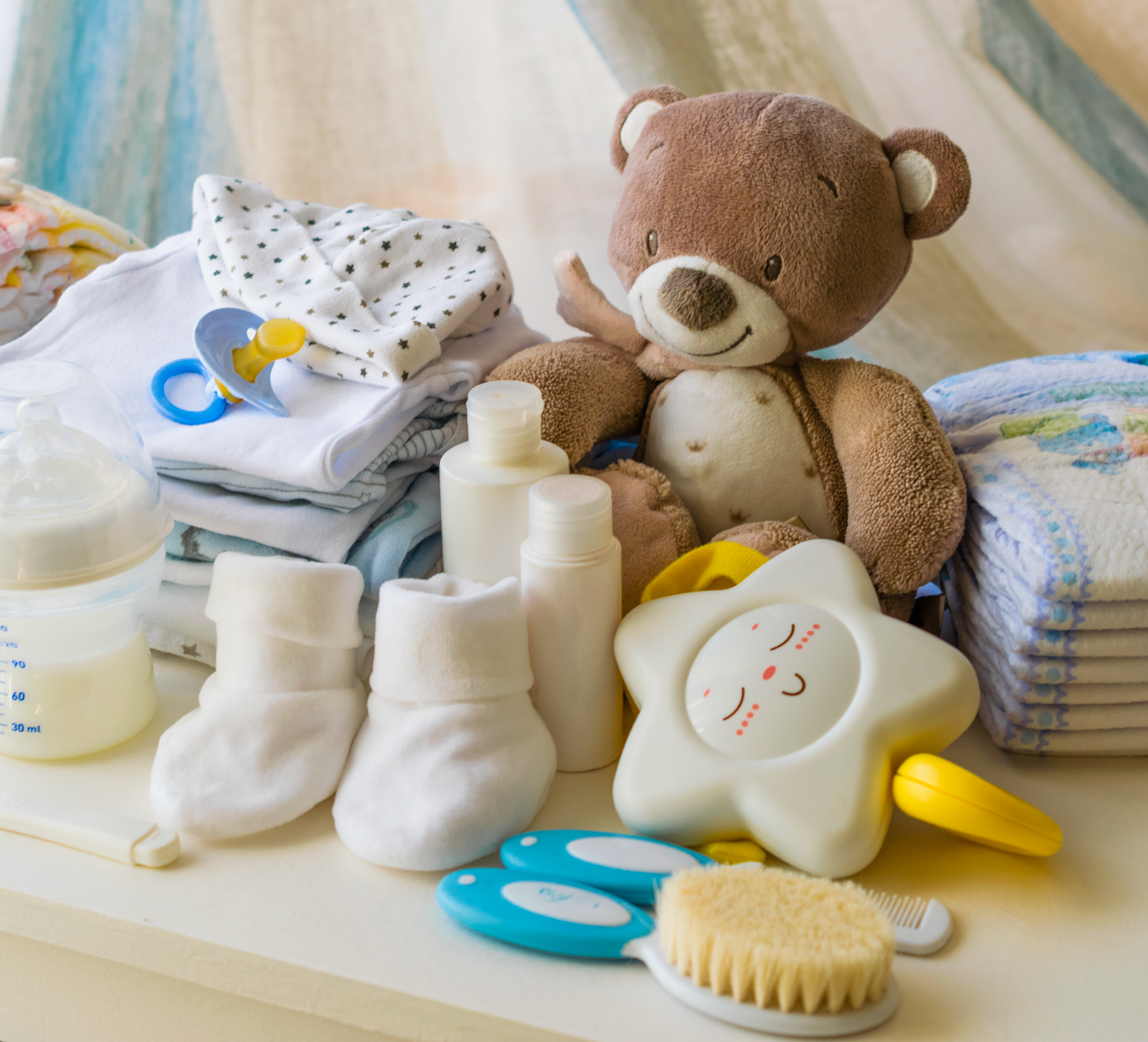
How can parents balance style and practicality with baby clothing?
Clothing is one of the clearest examples of where appearance and functionality need to work together.
Baby clothes can be attractive while still prioritising comfort.
Parents may consider:
- Fabric
- Fit
- Ease of dressing
- Freedom of movement
- Suitability for the season
- Washing requirements
Consider how the child will use the clothing
A baby’s day can involve feeding, sleeping, floor play and family outings.
As babies become toddlers, movement becomes even more important.
Clothing therefore needs to do more than look appealing while perfectly arranged.
It needs to support real everyday activity.
Versatile clothing can offer more value
Products that can work across several situations may receive more use.
Ponchos, for example, can provide an additional clothing option for babies and toddlers where the individual product is suitable for their age and intended use.
A timeless, practical design may fit easily into different outfits without being restricted to a short-lived trend.
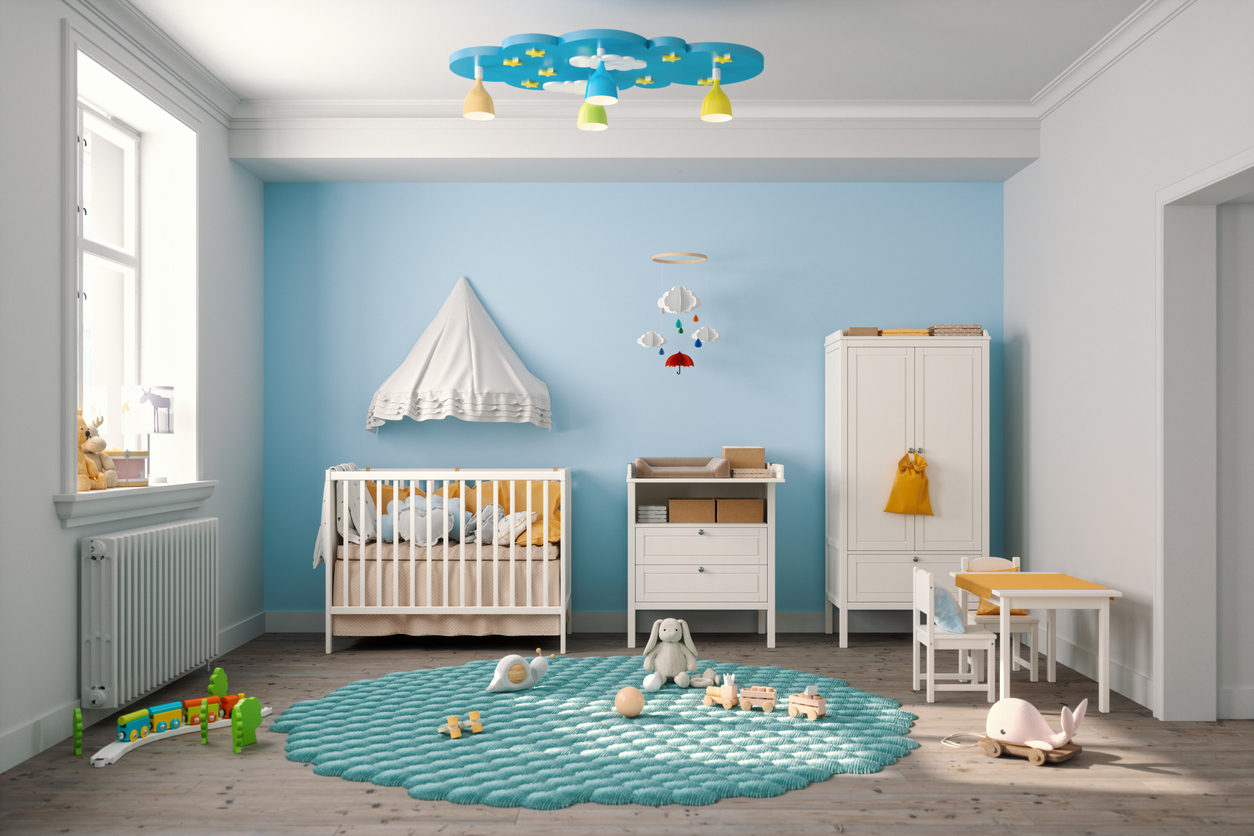
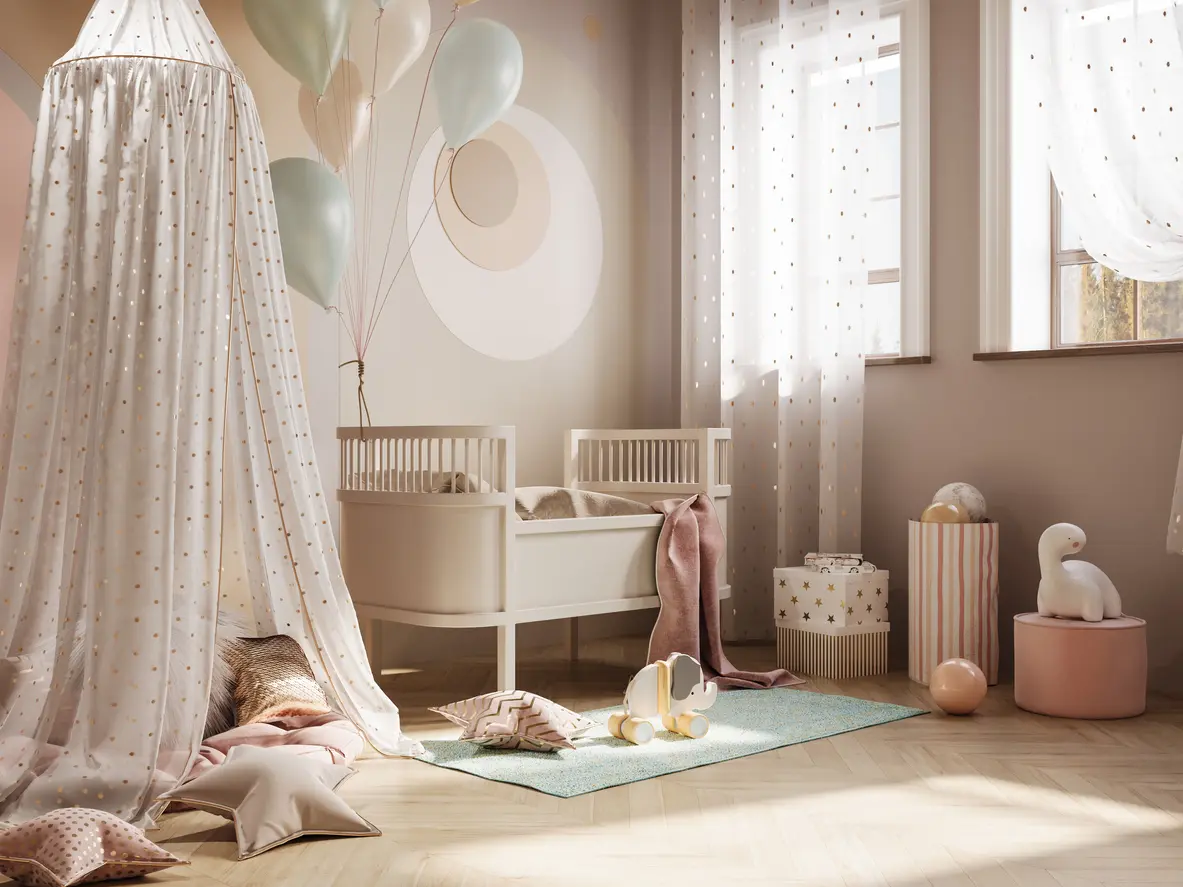
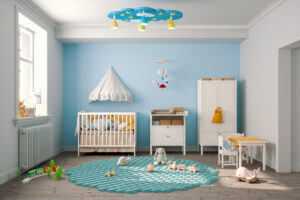
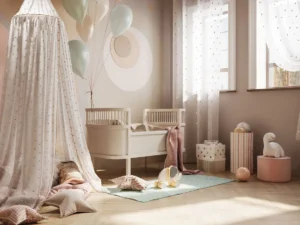
How can parents balance design and practicality in the nursery?
Nurseries are often the area where parents feel the greatest temptation to prioritise appearance.
There is nothing wrong with creating a beautiful nursery.
The key is making sure the design works with daily routines.
Consider how the room flows
Parents can think about where different activities will happen.
This may include areas for:
- Changing
- Storage
- Play
- Quiet family time
Products can then be positioned according to how frequently they are needed.
Use accessories purposefully
Blankets, baskets, cushions and playmats can all contribute to the appearance of a nursery while also having practical roles appropriate to their individual designs.
This makes them useful ways to introduce style without relying entirely on decorative products.
Parents should always follow the individual product guidance, particularly when choosing items used around babies.
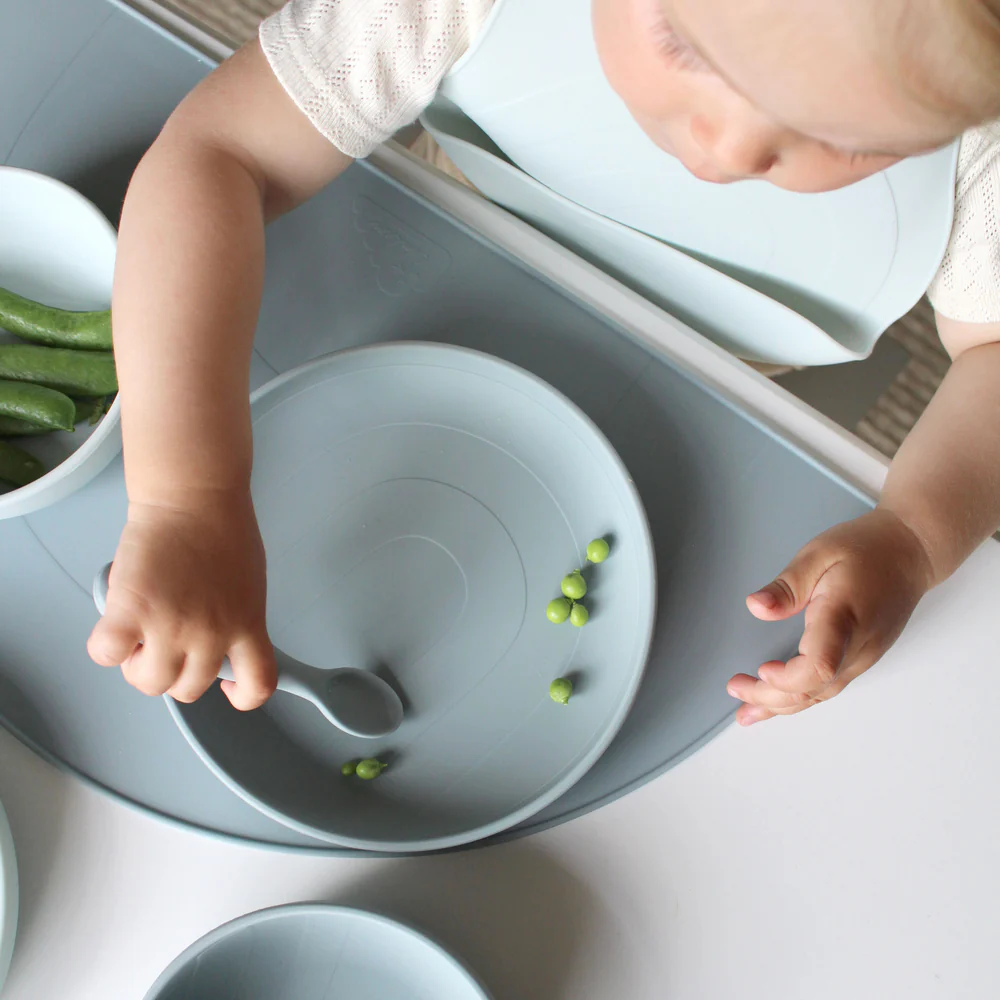
What about feeding products?
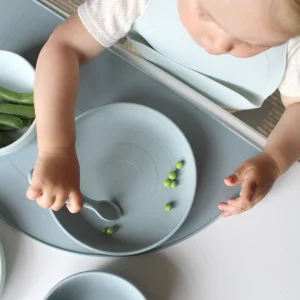
Feeding products need to withstand very practical realities.
A bowl or plate may look lovely at the beginning of lunch and considerably less pristine by the end.
Parents choosing bibs, bowls, plates and cutlery can consider both appearance and everyday handling.
Questions might include:
- Is it suitable for the child’s stage?
- Is it comfortable to use?
- Is it straightforward to clean?
- Will it fit easily into our mealtime routine?
Once those requirements are satisfied, colour and design can become part of the decision.
Coordinated does not have to mean complicated
Parents who enjoy a coordinated look can choose feeding accessories that complement one another while still focusing on practical features.
The result can be a mealtime set-up that feels considered without becoming difficult to use.
Why are timeless designs worth considering?
Trends can be enjoyable, but babies grow quickly and family needs change.
A product with a timeless appearance may fit more easily into different stages of family life.
This is particularly relevant for nursery accessories parents hope to use for several years.
Children’s rooms change
A nursery may eventually become a toddler’s bedroom.
A basket that once contained nappies might hold toys.
A playmat used for early floor time may later become part of games and activities.
Products that are not strongly tied to one short stage can often adapt more easily.
How can parents avoid buying products based only on appearance?
One useful approach is to avoid making an immediate purchase simply because a product looks attractive.
Instead, ask what role it would have.
Consider:
What will we actually use this for?
Then:
Where will we keep it?
And finally:
Do we already own something that serves the same purpose?
If there are clear answers, the product may be a useful addition.
If not, it may be worth waiting.
Give practical requirements priority
Parents can create a simple mental checklist:
- Purpose
- Suitability
- Comfort
- Quality
- Practicality
- Appearance
This does not push style aside. It simply gives it an appropriate place within the decision.
Does choosing practical products mean buying fewer things?
Not necessarily, but it can encourage more considered purchases.
Parents may find they prefer a smaller collection of products that receive regular use rather than a larger number that spend most of their time in storage.
This can have practical benefits.
It may mean:
- Less clutter
- Easier organisation
- Fewer unnecessary purchases
- More space
- Greater use from individual products
This can be particularly valuable in smaller homes.
Frequently Asked Questions
Should practicality always come before style when buying baby products?
Safety and suitability should always be fundamental considerations. Beyond that, practicality and style can work together. Parents can identify the features they need first and then choose a design that reflects their preferences.
Are stylish nursery accessories worth buying?
They can be when they also serve a useful purpose. Products such as baskets, blankets and playmats can contribute to the appearance of a nursery while supporting everyday family routines according to their intended use.
How can I tell whether a baby product will be practical?
Consider where it will be used, how frequently it will be needed, how easy it is to maintain and whether it suits the child’s stage and your available space.
Is it better to choose timeless baby products?
That depends on personal preference, but timeless designs can make it easier for some products to remain useful as children’s rooms and family routines change.
How can I avoid buying too many baby products?
Focus on products with a clear purpose and consider whether you already have something serving the same need. Parents can also add products gradually as their baby’s routines develop.
Finding the right balance for your family
Parents do not have to choose between a beautiful nursery and a practical one, or between attractive baby products and products that work well.
The most successful choices often achieve both.
Start with the fundamentals. Consider what the product is designed to do, whether it is suitable for its intended use and how it will fit into everyday family routines. Look at comfort, quality, durability and ease of care.
Once those practical needs have been addressed, parents can choose colours, materials and designs that suit their personal tastes.
This approach can help families build a collection of baby products that feels considered rather than excessive. It can also lead to products being used more frequently and, where appropriate, continuing to serve useful purposes as children grow.
Nino’s Dreams focuses on thoughtfully designed baby products that combine quality, comfort, functionality and timeless appeal, helping growing families choose items intended to fit naturally into everyday life.
Phone: 0208 0497 882
Email: info@ninosdreams.co.uk
Find out more: Nino’s Dreams