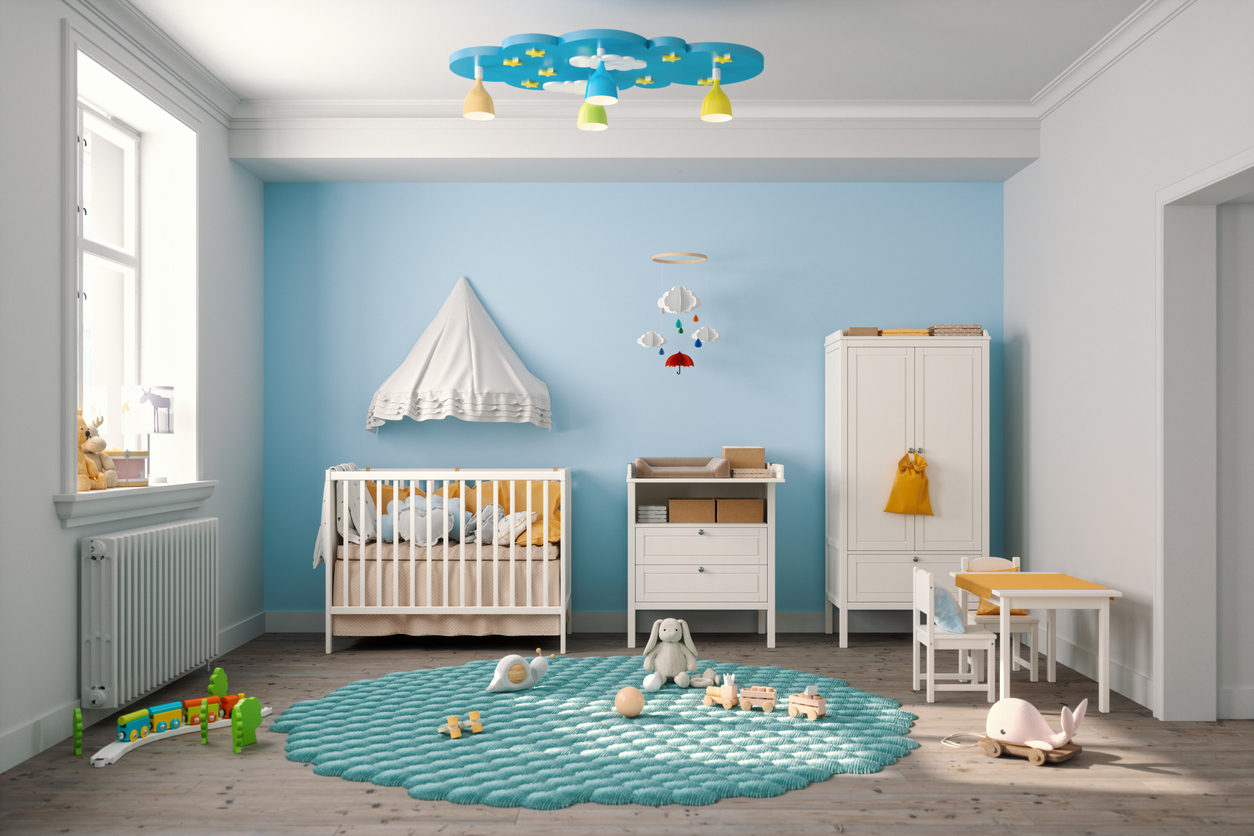
Preparing for a baby’s arrival can quickly turn into a very long shopping list. There are products for sleeping, changing, bathing, feeding, travelling, playing and almost every other part of family life. For first-time parents in particular, deciding which baby products will actually be useful during the first six months can feel difficult.
The reality is that families do not necessarily need every available baby accessory from the beginning. During the first six months, practical products that support everyday routines, comfort, changing, bathing and early play are often among the most useful.
Every baby and family will have different requirements, so there is no universal shopping list. Instead, parents can focus on products that solve a clear practical need and add other items gradually as their baby’s routines and developmental needs become clearer.
Which everyday baby accessories are useful from birth?
During the earliest weeks, much of family life revolves around relatively simple routines.
Babies need frequent care, and parents may spend much of their time feeding, changing, settling and keeping their baby comfortable.
Products that make these repeated tasks easier can therefore become particularly valuable.
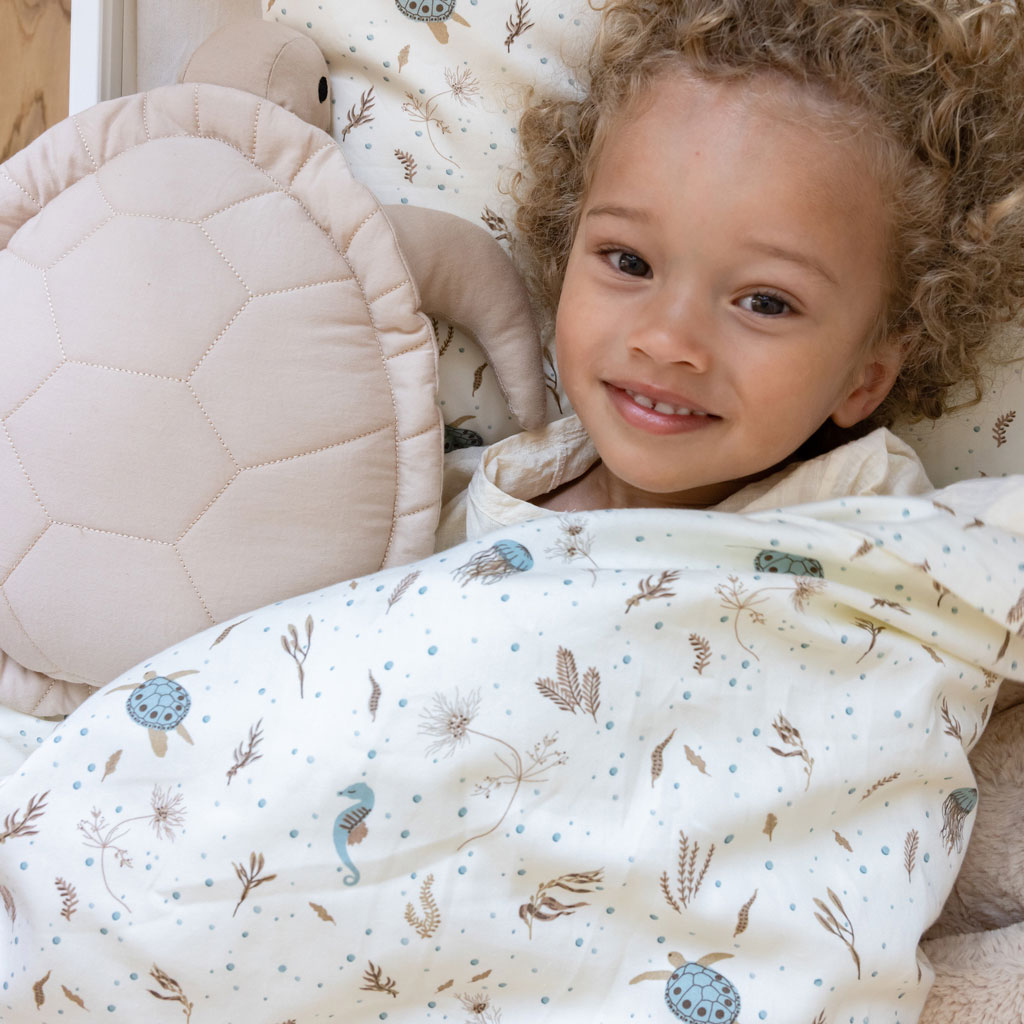
Baby blankets
Blankets are versatile accessories that can be useful in many different situations.
Parents may use appropriate blankets for:
- Additional comfort
- Family outings
- Pram journeys
- Quiet moments
- Visiting friends and relatives
One advantage of blankets is that their usefulness can continue as children grow. Rather than being limited entirely to the newborn stage, they may remain part of family life for years.
Parents should always use blankets appropriately for the particular situation and follow current safe sleep guidance when putting babies down to sleep.
Baskets
Organisation becomes surprisingly important once a baby arrives.
Small items can quickly spread around the home, particularly when parents are tired and moving between different routines throughout the day.
Baskets can help organise products such as:
- Blankets
- Changing accessories
- Clothing
- Toys
- Bath essentials
Parents may find it useful to keep baskets in the areas where particular products are regularly needed.
What products can make changing easier?
Nappy changing becomes one of the most frequently repeated routines during the first months of parenthood.
A practical changing area can help make the process more organised.
Changing pads
A suitable changing pad provides a dedicated surface for changes and can form the centre of a simple changing station.
Parents can keep other essentials nearby so they do not need to search for items halfway through the process.
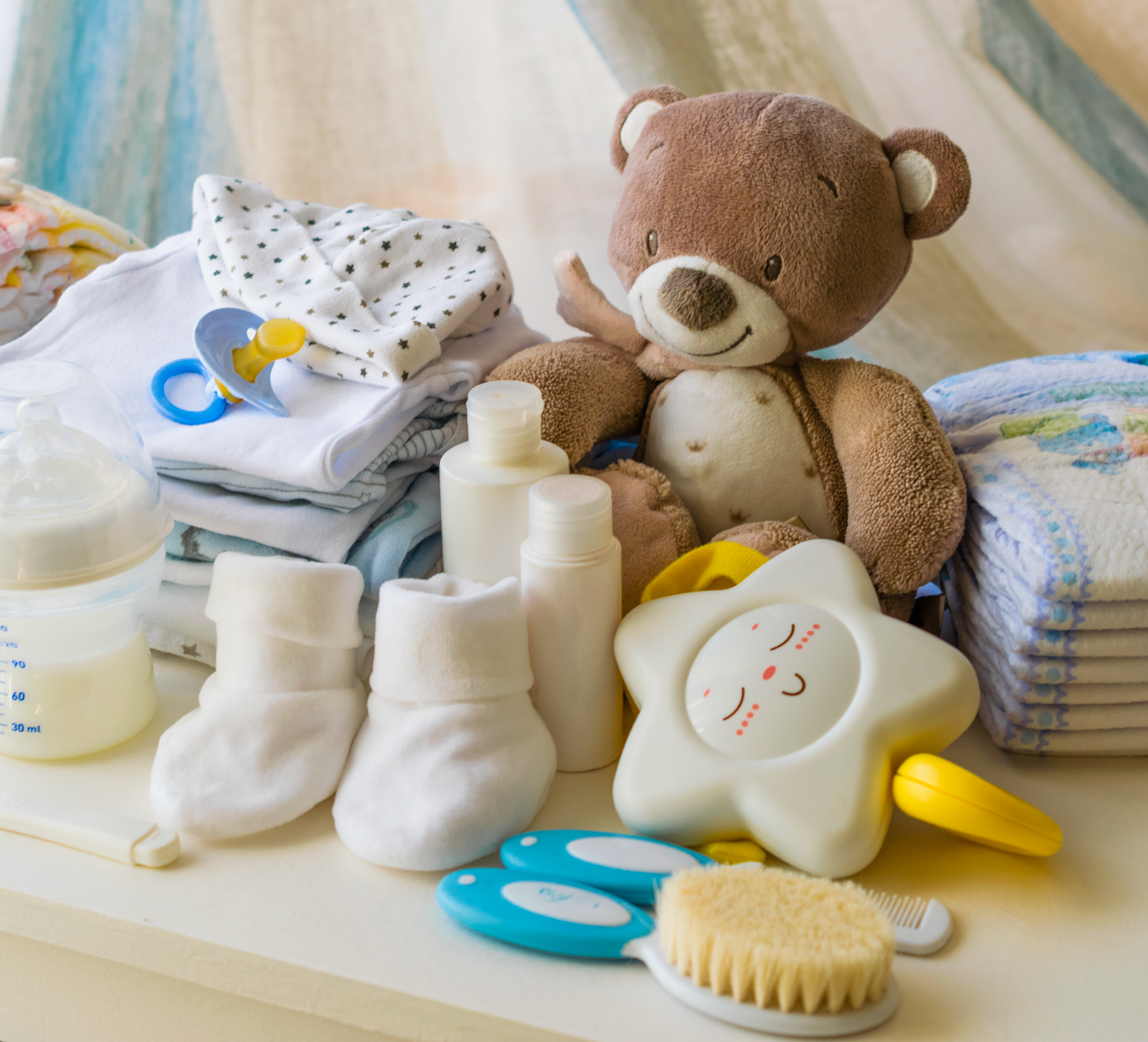
A changing area might include:
- Changing pad
- Nappies
- Wipes or the family’s preferred cleaning products
- Spare clothing
- Muslins
- Appropriate changing products
The exact set-up can vary depending on available space.
Some families create one main changing station, while others prefer portable arrangements that can be moved between rooms.
Keep spare clothes nearby
During the first six months, unexpected clothing changes are common.
Keeping a clean outfit within easy reach can save parents from searching through drawers while dealing with a messy change.
This is a simple example of how organisation can often be just as useful as buying additional products.
Which products can make bath time easier?
Bathing a small baby can initially feel daunting.
Parents are handling a wet, wriggly baby while trying to keep everything calm and organised.
Preparation can make the experience much easier.
Bath essentials
Having the necessary bath products ready before starting means parents can concentrate on their baby rather than searching for missing items.
The specific products a family uses will depend on their preferences and the baby’s needs.
Prepare for what happens after the bath
The transition out of the bath is often where organisation becomes particularly helpful.
Parents can prepare:
- A towel
- A changing pad
- A clean nappy
- Fresh clothing
- Any other products required for the baby’s usual routine
Having everything ready can make the transition from bathing to dressing much smoother.
Keep the routine simple
Babies do not need complicated bath routines.
A calm, practical approach can help parents build confidence while allowing babies to become familiar with the experience.
As the baby grows, bath time may gradually become more playful and interactive.
Which nursery products can support comfort and organisation?
The first six months involve considerable change.
A newborn’s routines can look very different from those of a baby approaching six months, so flexible nursery products can be particularly useful.
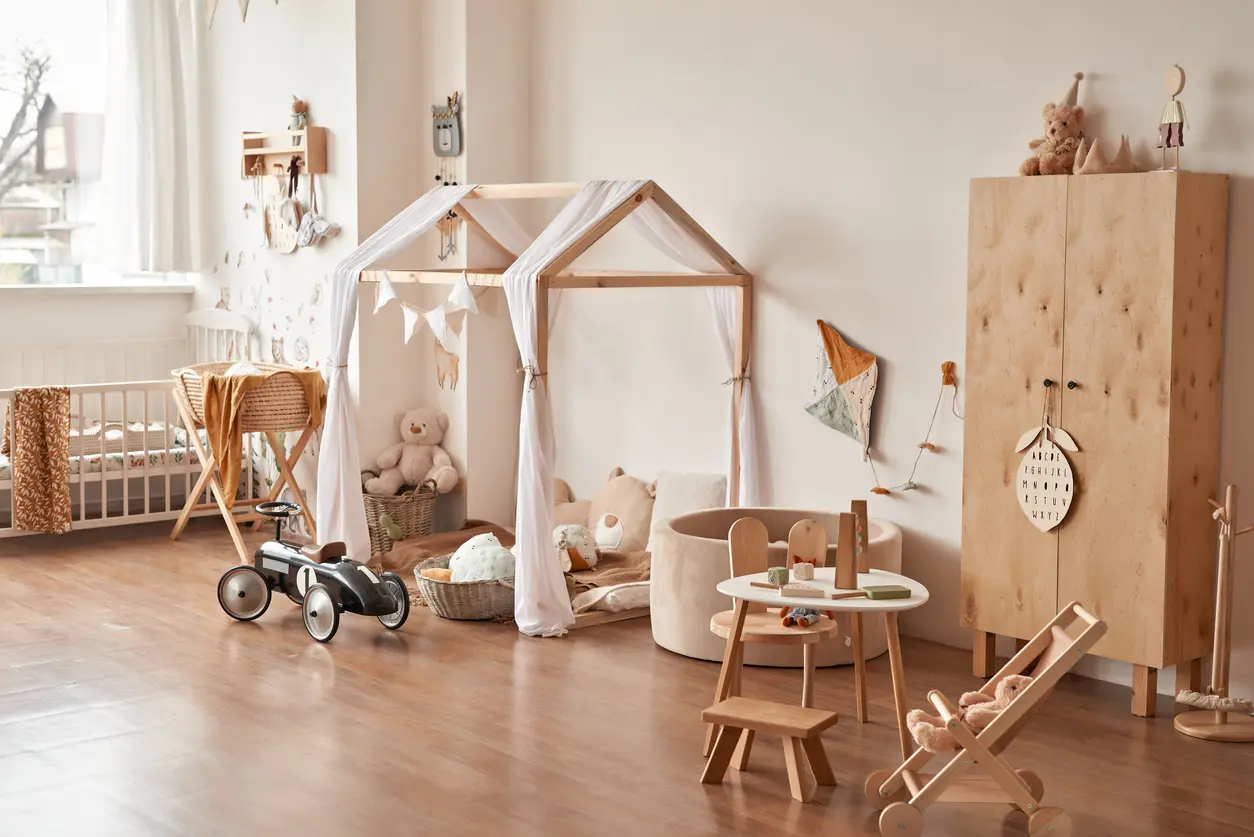
Playmats
A playmat can provide a defined area for appropriate supervised floor play.
As babies develop, their use of the space can change.
Early on, a baby may simply lie and observe their surroundings. Later, the same space can support activities such as reaching, movement and tummy time.
As physical abilities develop further, the play area can become somewhere to interact with suitable toys.
Nursery baskets
Baskets can change purpose as babies grow.
A basket used for blankets during the newborn stage may later hold toys or other accessories.
This flexibility can help parents organise the nursery without needing a completely new storage system every few months.
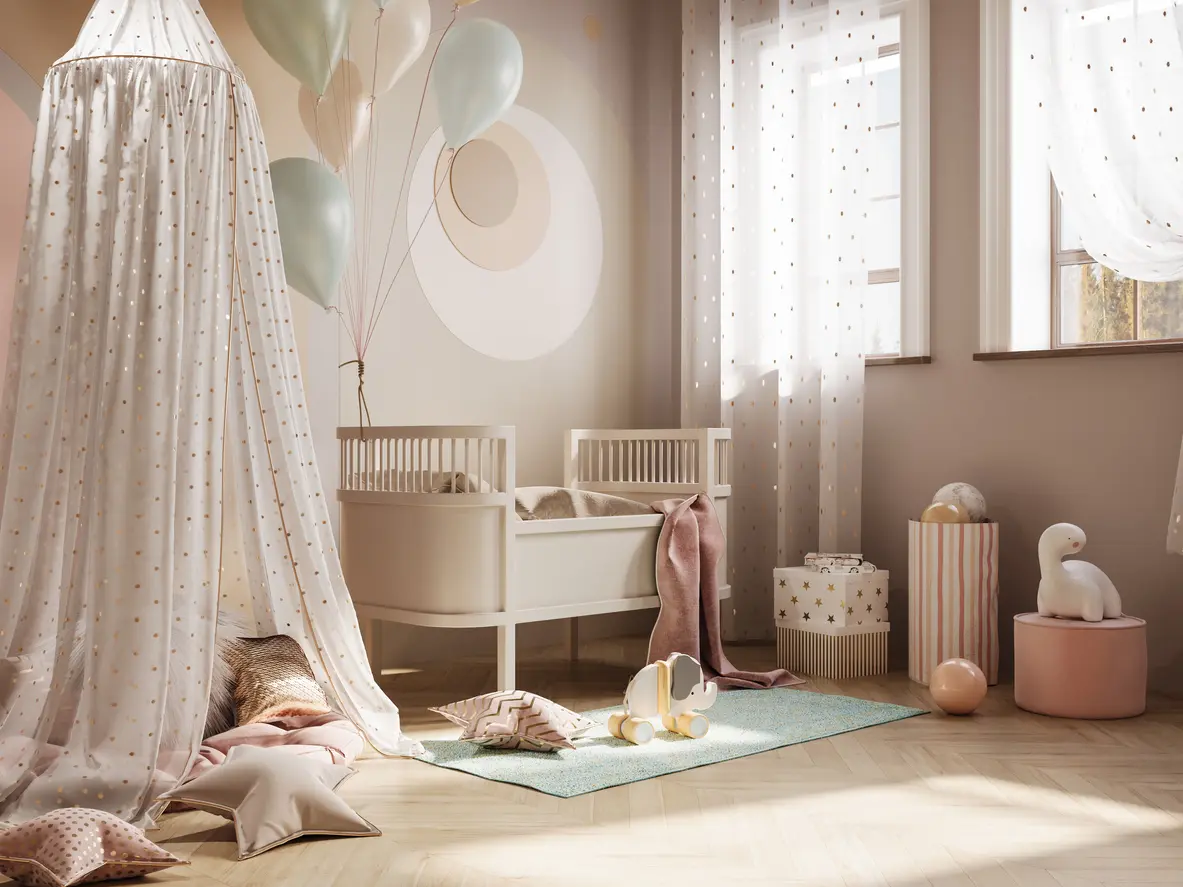
Cushions and other soft furnishings
Soft nursery accessories can help create a comfortable, welcoming space for family routines.
However, parents should always consider the intended use of each individual product and follow the relevant guidance, particularly around babies’ sleeping environments.
When do toys become useful during the first six months?
Play begins much earlier than some parents expect.
Babies are constantly learning from their surroundings, even before they can deliberately pick up and manipulate toys.
During the first months, they may become interested in:
- Faces
- Sounds
- Contrasts
- Movement
- Textures
As their coordination develops, suitable toys can provide additional opportunities for exploration.
Toys can support early interaction
Parents can use age-appropriate toys as part of shared play.
They might:
- Move an object for the baby to observe
- Allow the baby to explore suitable textures
- Encourage reaching
- Talk about what the baby is looking at
- Respond to sounds and movements
These activities do not need to be complicated.
Simple interactions between a parent, baby and suitable toy can create engaging experiences.
Babies do not need lots of toys
It can be tempting to build a large toy collection before the baby arrives.
In reality, a young baby does not necessarily need dozens of different toys.
A smaller selection of appropriate products can provide plenty of interest.
Parents can gradually add different toys as their child’s abilities and interests develop.
How do babies’ needs change across the first six months?
One reason it can be difficult to create a definitive list of products is that babies change considerably during this period.
The early weeks
During the earliest stage, parents may find themselves most focused on:
- Feeding
- Changing
- Comfort
- Bathing
- Settling into new routines
Practical products supporting these everyday tasks are likely to receive considerable use.
As babies become more alert
Over time, babies begin interacting more deliberately with their surroundings.
They may spend more time observing people, looking at objects and responding to sounds.
Play products can gradually become more relevant.
As movement develops
Later in the first six months, many babies become increasingly interested in movement and exploration.
A playmat and suitable toys can provide space and opportunities for supervised activity.
Parents may find that their shopping priorities naturally change as these new abilities appear.
Should parents buy feeding and weaning accessories during the first six months?
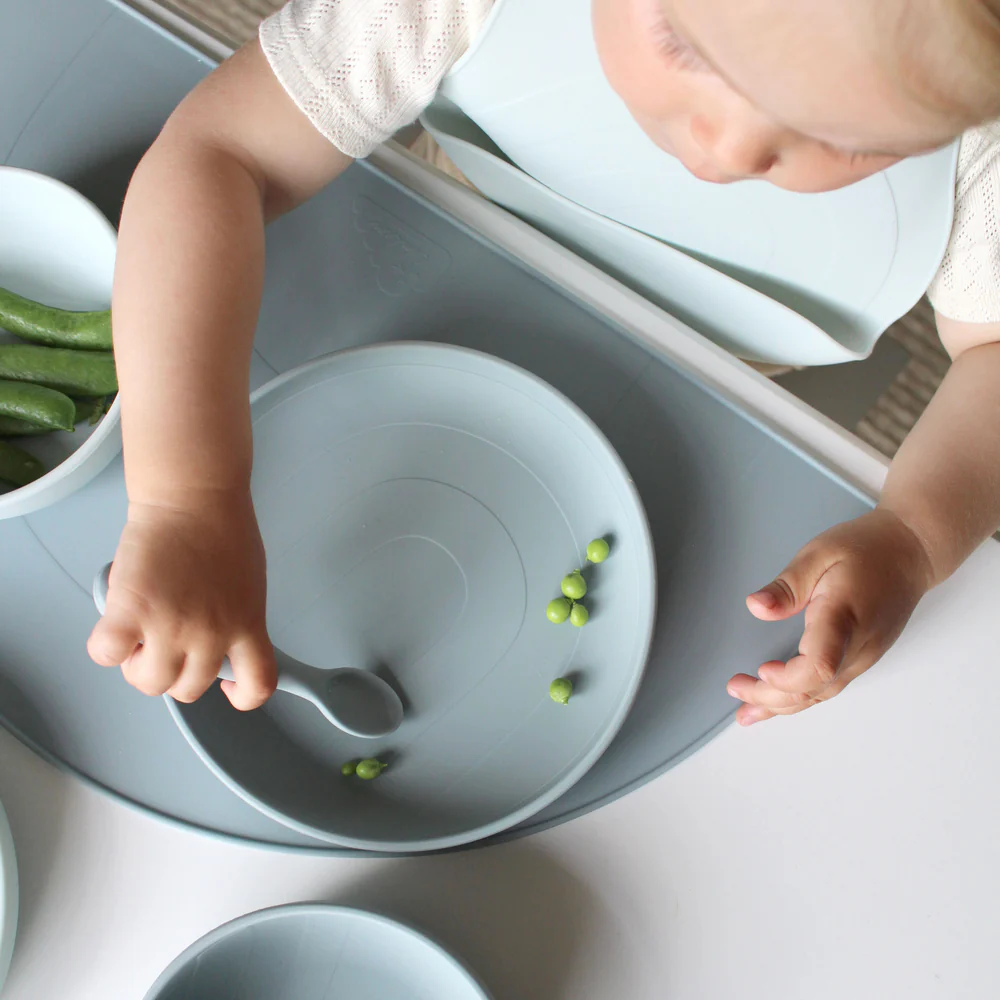
Nino’s Dreams offers feeding and weaning products including bibs, bowls, plates and cutlery.
Whether parents need all of these products during the first six months will depend on their baby’s stage and when they begin introducing foods in accordance with appropriate feeding guidance.
There is usually no need to rush into buying every feeding product during the newborn stage.
Parents can prepare for later routines when those needs become relevant.
Bibs can become useful earlier
Bibs may have practical uses before more independent eating begins, depending on family routines.
As babies move towards weaning, additional feeding products such as bowls, plates and suitable cutlery can become more relevant.
The key is buying for the stage the child is approaching rather than trying to purchase everything for the first year before birth.
What about bouncers and activity products?
Some families choose products such as bouncers or activity nests during the baby stage.
These can provide additional options within family routines where the particular product is appropriate for the child’s age and intended use.
Parents should always check and follow the manufacturer’s instructions for individual products, including guidance about age, positioning and supervision.
Think about how the product fits your home
Before buying a larger baby product, it can help to consider:
- Where will it be kept?
- How frequently will it be used?
- Does it fit the available space?
- Is it suitable for the child’s current stage?
- How long is it intended to be used?
These questions can prevent a home from becoming filled with products that receive relatively little use.
How can parents avoid buying too many products before their baby arrives?
There can be considerable pressure to have everything prepared before birth.
However, parents cannot always predict which products will work best for their routines.
Starting with clear everyday essentials and buying other products gradually has several advantages.
You learn what your family actually needs
Once the baby arrives, parents begin understanding their own routines.
They learn:
- Where changing usually happens
- Which rooms they use most
- Which accessories they reach for repeatedly
- How much storage they need
- Which products their baby responds to
This information can make later buying decisions much easier.
It reduces unnecessary clutter
Babies may be small, but their products can occupy a surprising amount of space.
Buying gradually can help keep the home more manageable.
It allows purchases to follow development
Instead of buying products far in advance, parents can introduce them when their baby is approaching the appropriate stage.
This can be particularly useful for toys and feeding accessories.
Which products may remain useful beyond six months?
Parents looking for long-term value can consider whether certain products will continue serving a purpose later.
Items with flexible uses may include:
- Blankets
- Baskets
- Playmats
- Some toys
- Feeding products introduced at an appropriate stage
A playmat used during early floor time may later become a space for toys and games.
A basket may move from storing blankets to holding toys.
A favourite blanket may continue accompanying the child on family trips.
Versatility can make simple baby products surprisingly valuable.
Frequently Asked Questions
What are the most useful baby products during the first six months?
Needs vary between families, but practical changing products, bath essentials, blankets, nursery storage and age-appropriate play products can all support common routines during this period.
Should I buy all my baby’s toys before they are born?
There is usually no need to build a large toy collection immediately. Babies’ interests and abilities develop quickly, so parents can introduce suitable toys gradually.
Is a playmat useful during the first six months?
A playmat can provide a defined area for appropriate supervised floor time and play. How it is used can change as the baby’s movement and interest in toys develop.
Do I need bowls, plates and cutlery straight away?
These products become more relevant as babies approach the appropriate stage for introducing foods and developing feeding skills. Parents should follow suitable professional feeding guidance for their individual baby.
Which baby products offer good long-term value?
Products with flexible uses, such as blankets, baskets and playmats, may remain useful as children grow because their purpose can change alongside family routines.
Choosing useful products for the first six months
The first six months bring enormous changes, and parents do not need to predict every future requirement before their baby arrives.
During the earliest weeks, practical products supporting changing, bathing, comfort and organisation are likely to be particularly valuable. As babies become increasingly alert and active, playmats and suitable toys can offer new opportunities for exploration. Feeding accessories can then become relevant as families approach the next developmental stage.
Rather than judging a baby product by how many features it has, parents can ask whether it solves a genuine everyday need, suits their child’s current stage and fits comfortably into family life.
Building a collection gradually can help parents make more informed choices while avoiding unnecessary clutter. It also leaves room to discover what their individual baby actually enjoys and what makes their family’s routines easier.
Nino’s Dreams offers thoughtfully selected baby accessories, nursery products, bath essentials, toys and other products for growing families, with an emphasis on quality, comfort and practical value.
Phone: 0208 0497 882
Email: info@ninosdreams.co.uk
Find out more: Nino’s Dreams