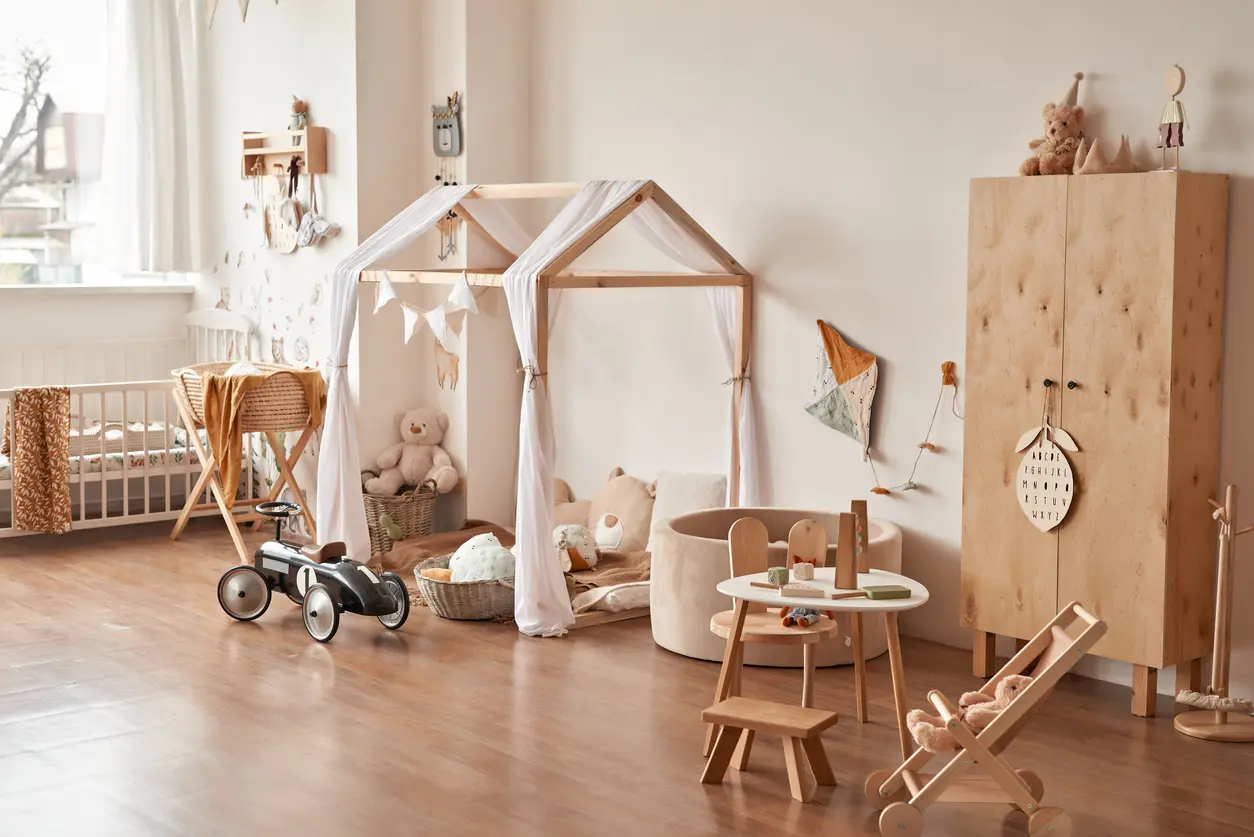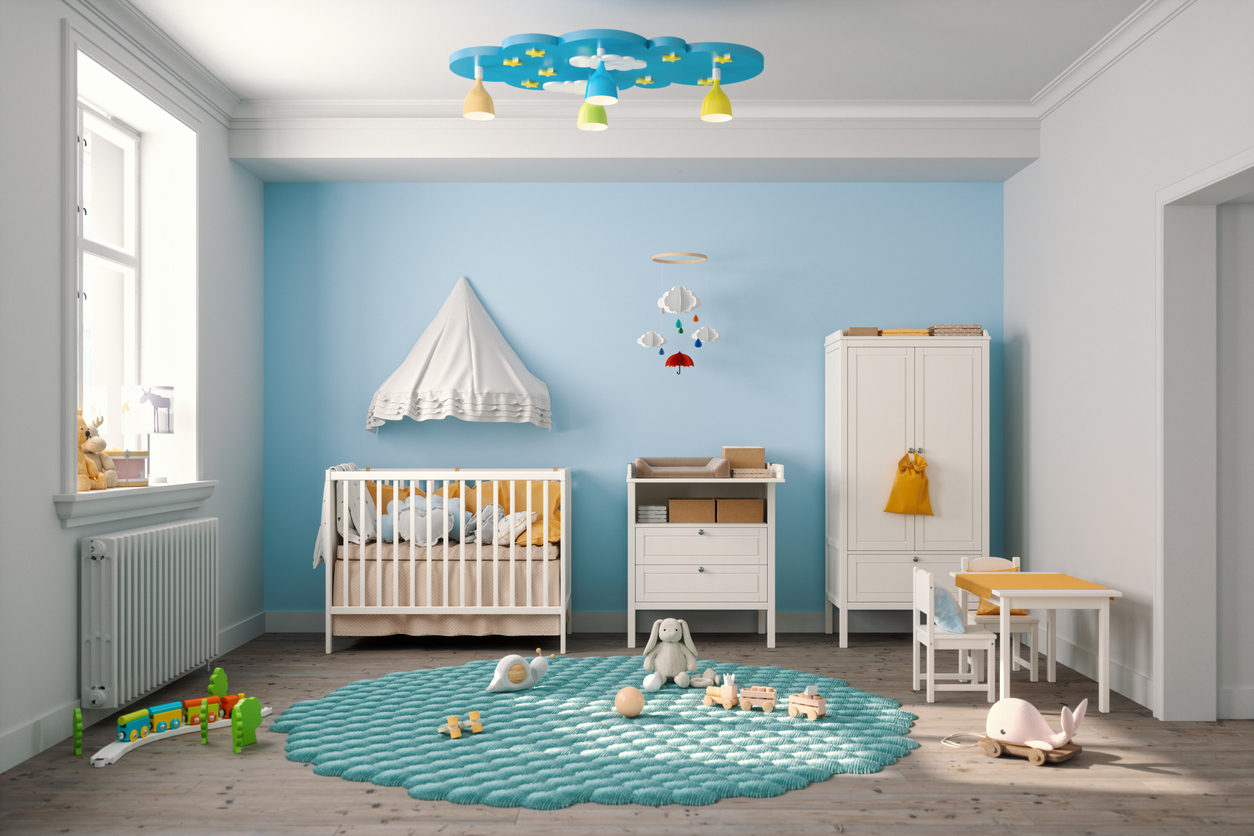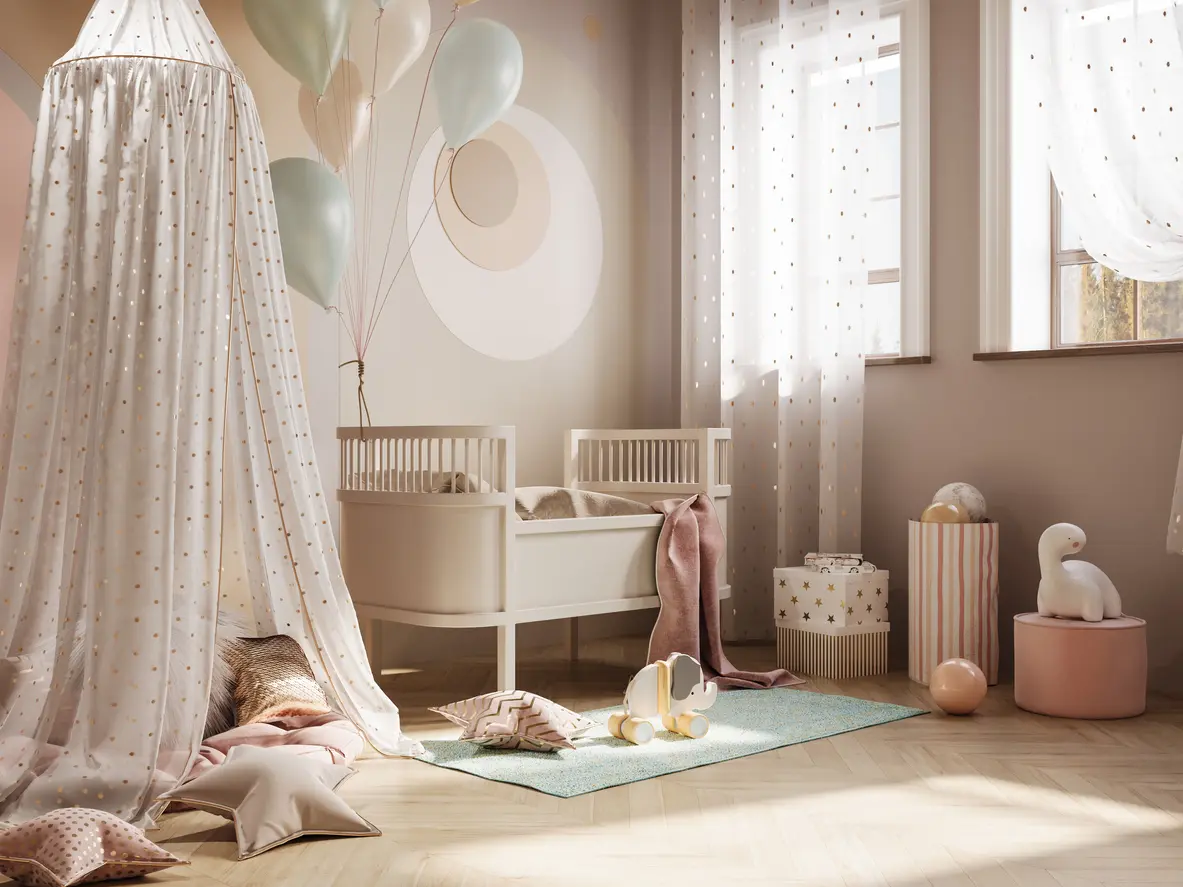
Preparing a nursery can be one of the most enjoyable parts of getting ready for a new baby. It can also involve a surprising number of decisions. Parents may find themselves comparing furniture, storage, colours, accessories and layouts while trying to imagine exactly how the room will work once their baby arrives.
When buying nursery furniture, practicality should be considered alongside appearance. A beautifully designed nursery still needs to work during everyday feeding, changing, play and relaxation. Products also need to suit the available space, feel comfortable and stand up to the demands of family life.
Rather than buying furniture simply because it appears on a standard nursery checklist, parents can focus on how individual products will fit their routines and remain useful as their child develops.
What should parents consider before buying nursery furniture?
It can be tempting to start shopping as soon as nursery planning begins, but taking some time to understand the room and its purpose can prevent unnecessary purchases.
Parents can begin by asking a few simple questions:
- How much space is available?
- Which activities will take place in the nursery?
- What storage is required?
- Which products will be used regularly?
- Could the room need to change as the baby grows?
These questions help move the focus from creating an idealised nursery to creating a room that works for the family using it.
Think about routines before individual products
It can help to imagine a normal day.
Where will changing happen?
Where will clothes and blankets be stored?
Will there be a space for quiet play?
Where will toys be kept?
Which products need to be accessible quickly?
Planning around these routines can make furniture choices much clearer.
How important are comfort and practicality?
Comfort and practicality are important considerations when choosing nursery products because the room will be used frequently.
Parents may spend considerable time there during the early months, whether changing their baby, tidying, playing or settling down for quieter moments.
Think about how furniture will actually be used
A product can look appealing online or in a showroom but still be awkward in the available room.
Parents can think about practical questions such as:
- Is it easy to access?
- Does it leave enough room to move?
- Will it work with other nursery products?
- Is it appropriate for its intended use?
- Will it be easy to maintain?
The best nursery furniture often fits naturally into everyday routines without creating extra work.
How can parents choose furniture for the space available?
One of the most important considerations is the size and shape of the nursery.
Not every family has a large dedicated nursery. Some babies have smaller rooms, while other families create nursery areas within existing spaces.
This does not mean the room cannot be practical.
Measure before buying
Parents should understand the available dimensions before committing to larger nursery products.
Consider not only whether an item physically fits, but also whether there is enough space to move comfortably around it.
A room filled from wall to wall may technically contain everything a parent planned to buy, but it may not be particularly pleasant or practical to use.
Avoid filling every available space
Babies’ needs change quickly.
Leaving some free space gives parents more flexibility to adapt the room later.
An area that is initially left clear might eventually become useful for:
- A playmat
- Toy storage
- Games
- Independent play
- Additional organisation
A little flexibility at the beginning can make future changes much easier.
What types of nursery furniture can support everyday family life?
Different families will naturally choose different products depending on their needs.
Nino’s Dreams’ nursery and furniture ranges include products such as activity nests, beanbags, bouncers, baskets, cushions and playmats. The suitability of any individual item will depend on its intended use, product guidance and the child’s stage of development.
Rather than trying to include every possible nursery product, parents can focus on the items that make sense for their household.
Activity nests
Activity nests can provide a defined space within the nursery or other areas of the home.
Parents considering an activity nest can think about where it will be positioned, how much space it requires and how it will fit alongside other nursery products.
Bouncers
Bouncers are another furniture product parents may consider during the baby stage.
When choosing one, parents should pay close attention to the individual product’s intended age, usage instructions and safety guidance.
Beanbags
Beanbags can offer a soft furnishing option within suitable family spaces.
As with any nursery furniture, parents should consider the individual product’s intended use rather than assuming that every beanbag is appropriate for every age or activity.
Following the manufacturer’s instructions for each particular item is essential.
How can nursery storage make the room more practical?
Storage may not be the most exciting part of nursery planning, but it can make a substantial difference to everyday organisation.
Babies come with many small items.
A nursery may need somewhere for:
- Blankets
- Clothing
- Toys
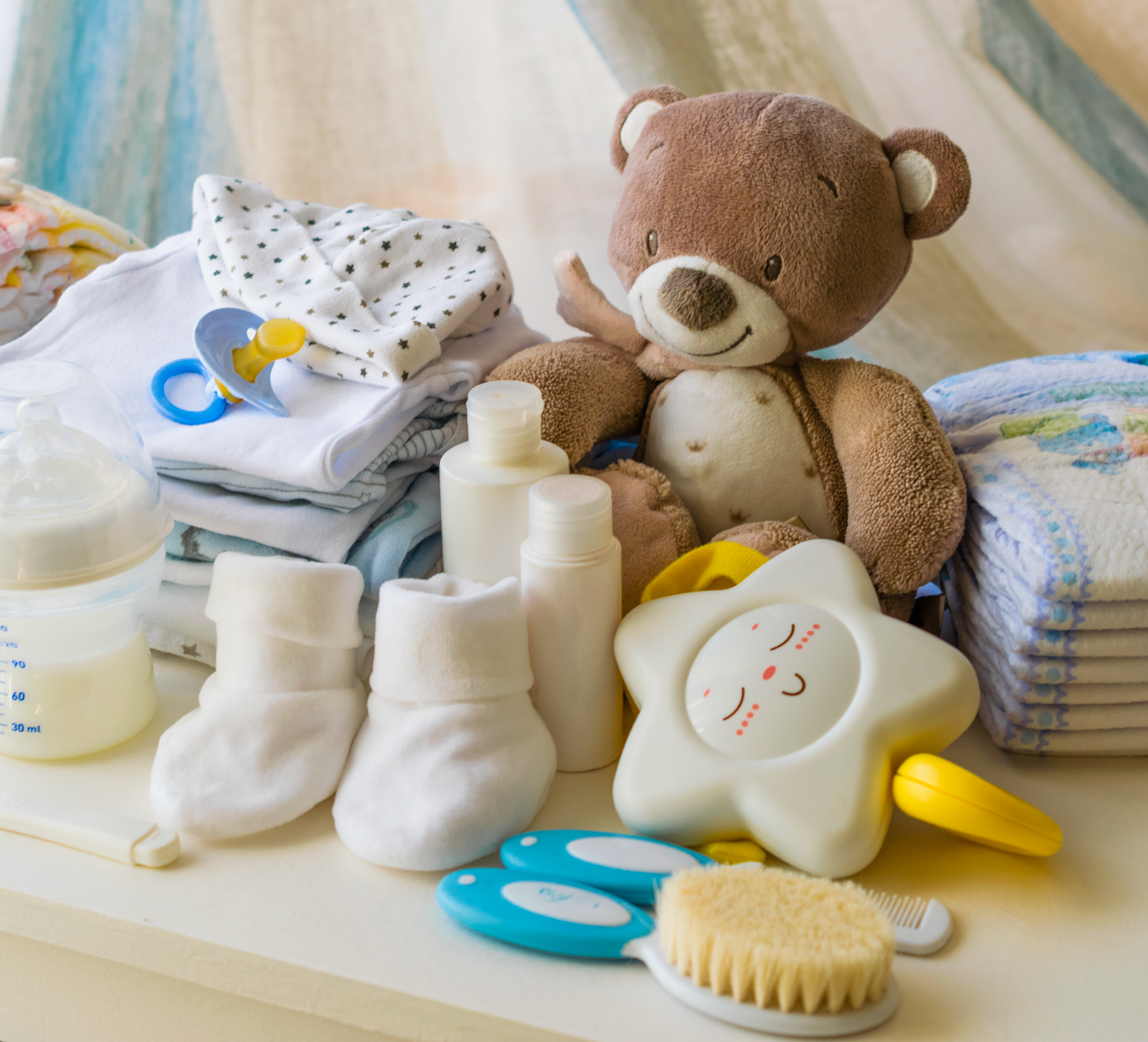
- Changing products
- Bath essentials
- Feeding accessories
Without a simple storage system, these products can quickly spread across the room.
Baskets can provide flexible storage
Baskets are particularly useful because their purpose can change over time.
During the early months, a basket might contain blankets or changing accessories.
Later, it could hold:
- Toys
- Games
- Books
- Clothing
Flexible storage can help the nursery evolve without needing a completely new organisation system whenever the child’s routines change.
Why should durability and long-term use be considered?
Babies grow quickly.
A product that perfectly suits life with a newborn may have a very different role a year later.
Parents can therefore consider how much use they realistically expect from nursery furniture before buying.
Think beyond the newborn stage
Useful questions include:
- Is this intended specifically for a short developmental stage?
- Could it have another use later?
- Is it likely to withstand regular family use?
- Does it fit the longer-term plan for the room?
There is nothing wrong with buying products intended for a particular stage when they serve a genuine purpose. However, understanding their expected period of use can help parents make more informed decisions.
Quality can support everyday use
Nursery products may experience frequent handling, cleaning and movement.
Thoughtfully chosen products designed for practical family life may provide better value than items selected primarily for appearance.
How should parents balance style and practicality?
Parents naturally want the nursery to feel welcoming.
Colour, materials and design can help turn an ordinary room into a space that feels personal to the family.
The challenge is making sure style does not come at the expense of everyday usability.
Start with practical requirements
It can help to make decisions in this order:
- Decide what the room needs to do.
- Measure the available space.
- Choose the essential products.
- Plan practical storage.
- Add decorative elements around the functional layout.
This approach allows style to complement the room rather than dictate whether it works.
Consider timeless choices
Trends can change quickly.
Products with a more timeless appearance may continue fitting comfortably into the home as the nursery changes.
This can be particularly helpful for products parents hope to use beyond the earliest baby stage.
How can nursery furniture support play and development?
As babies grow, their nursery may become increasingly important as a play space.
Floor space can become particularly valuable.
A room initially designed around newborn routines may eventually need to accommodate:
- Tummy time
- Reaching and rolling
- Toys
- Crawling
- Games
- Independent exploration
Parents can keep this progression in mind when deciding how much furniture to put into the room.
Playmats can create a defined play area
A playmat can help establish a comfortable space for supervised play and exploration.
As babies develop, the way this area is used may change.
It might begin as somewhere for early floor time and later become a place for toys, games or quieter activities.
What role do soft furnishings play?
Nursery products are not limited to larger furniture.
Blankets and cushions can contribute to the comfort and appearance of the room while offering practical uses appropriate to the individual product.
Blankets, for example, can remain useful in different situations around the home and while travelling.
Parents should always consider how individual products are intended to be used and follow the relevant guidance, particularly when choosing items for spaces used by babies and young children.
Should parents buy all nursery furniture before the baby arrives?
It can feel as though the nursery needs to be completely finished before a baby arrives.
In reality, parents may find that some needs only become clear once family routines develop.
Starting with products that serve an obvious purpose can make sense.
Additional items can then be introduced when parents understand:
- How they use the room
- Which storage they need
- Where they spend the most time
- Which routines need additional support
This approach can also reduce the chance of buying furniture that eventually receives little use.
How can parents avoid overcrowding a nursery?
One of the simplest approaches is to distinguish between essentials and optional additions.
Before buying a product, parents can ask:
Where will this go?
If there is no obvious answer, it may be worth waiting.
They can also ask:
What problem will this solve?
A product with a clear purpose is more likely to earn its place in the room.
Leaving some clear space can make the nursery easier to move around and provide room for the layout to develop as the child grows.
Frequently Asked Questions
What should I consider first when buying nursery furniture?
Start with the size of the room and the activities that will take place there. Understanding the available space and everyday routines can help determine which furniture and accessories will genuinely be useful.
Is it worth buying nursery furniture that can be used for longer?
Products that remain useful across different stages can provide practical long-term value. However, some products are intentionally designed for particular developmental stages, so parents should consider each item’s intended use.
How can I organise a small nursery?
Prioritise products with a clear purpose, avoid overcrowding and use flexible storage such as baskets. Keeping some floor space clear can also make the room easier to adapt as the baby becomes more active.
Should nursery furniture match?
Not necessarily. A consistent appearance can create an attractive room, but comfort, practicality and suitability are more important than ensuring every item belongs to a matching set.
Do I need to finish the entire nursery before my baby arrives?
Not necessarily. Starting with the products you expect to use and adding other items as routines develop can help avoid unnecessary purchases.
Creating a nursery that works for your family
The best nursery is not necessarily the one with the most furniture. It is the one that makes everyday family life easier.
Parents can start by understanding the available space and thinking about how feeding, changing, storage, relaxation and play will work within it. From there, they can choose nursery furniture and accessories that have clear practical purposes.
Comfort and quality matter, but so do flexibility and longevity. Babies’ needs change quickly, so a room that can adapt is often more useful than one designed solely around the newborn stage.
By balancing thoughtful design with everyday practicality, parents can create a comfortable nursery that supports their family now while leaving room to change as their child grows.
Nino’s Dreams offers thoughtfully designed nursery and furniture products including activity nests, beanbags, bouncers, baskets, blankets, cushions and playmats, with an emphasis on quality, comfort, practicality and timeless appeal.
Phone: 0208 0497 882
Email: info@ninosdreams.co.uk
Find out more: Nino’s Dreams