Babies are naturally curious. From the moment they begin noticing the world around them, they learn through seeing, touching, hearing, grasping and exploring. Every new experience helps them understand their surroundings and develop important skills that support future learning.
Sensory toys are designed to encourage this type of exploration. Rather than simply entertaining babies, they can provide opportunities to experience different textures, sounds, colours, movements and sensations. Through these experiences, babies begin making connections about how the world works and how they can interact with it.
While sensory toys are not a replacement for parent interaction or everyday experiences, they can be valuable tools that support learning through play.
What are sensory toys?
Sensory toys are toys designed to engage one or more of the senses.
Rather than focusing solely on visual appeal, they often encourage babies to interact using:
- Touch
- Sight
- Hearing
- Movement
- Exploration
Some sensory toys may include different textures, gentle sounds, contrasting colours or interactive elements that respond when touched or moved.
Learning through experience
Babies do not learn in the same way older children or adults do.
They learn by experiencing things directly.
For example:
- Touching a soft surface
- Hearing a rattle
- Watching a moving object
- Feeling different textures
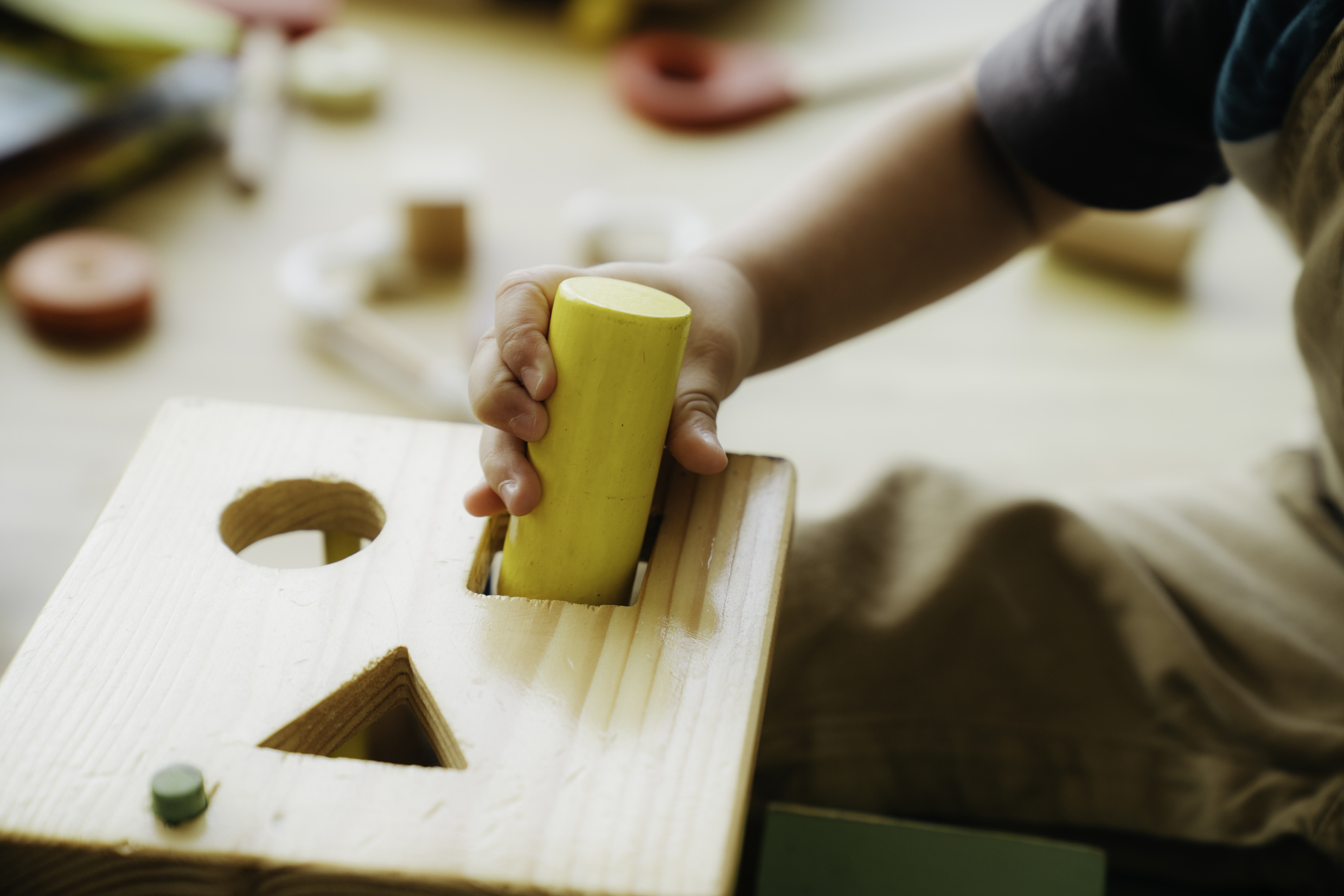
- Grasping and releasing toys
Sensory toys create opportunities for these experiences to happen naturally during play.
How do sensory toys support early development?
Early development involves far more than learning words or recognising shapes.
During the first years of life, babies are developing:
- Sensory awareness
- Physical coordination
- Communication skills
- Problem-solving abilities
- Emotional understanding
Sensory play can contribute to many of these areas simultaneously.
Building brain connections
Every new experience helps babies create connections within the brain.
When a baby shakes a toy and hears a sound, they begin understanding cause and effect.
When they touch different textures, they learn to recognise differences.
When they watch an object move, they develop visual tracking skills.
These experiences may seem simple, but they help support ongoing development.
Encouraging curiosity
Curiosity is an important part of learning.
Sensory toys often encourage babies to:
- Reach
- Touch
- Investigate
- Experiment
- Repeat actions
These behaviours help build confidence and encourage independent exploration.
Which senses do sensory toys help stimulate?
Many sensory toys engage several senses at once.
Touch
Touch is one of the most important ways babies learn.
Different textures may help babies experience:
- Soft surfaces
- Smooth materials
- Raised patterns
- Crinkly fabrics
- Flexible materials
Exploring these differences helps develop sensory awareness.
Sight
Visual development progresses rapidly during infancy.
Sensory toys may support visual skills through:
- Contrasting colours
- Patterns
- Shapes
- Movement
- Visual tracking opportunities
Babies often become fascinated by bright colours and moving objects.
Hearing
Many sensory toys include gentle sounds that encourage listening and interaction.
Examples may include:
- Rattles
- Soft musical sounds
- Crinkle materials
- Bells
- Interactive sound features
Listening helps babies begin understanding relationships between actions and responses.
Movement
Movement is closely connected to learning.
Many sensory toys encourage babies to:
- Reach
- Stretch
- Crawl
- Grasp
- Roll
Physical activity supports both development and exploration.
How can parents use sensory toys during everyday play?
The most valuable sensory experiences often happen during simple everyday interactions.
Parents do not need complex activities to support learning.
Play together
Sensory toys can create opportunities for shared play.
Parents may:
- Name colours
- Describe textures
- Demonstrate movements
- Encourage reaching
- Respond to reactions
These interactions support both development and bonding.
Follow the baby’s interests
Some babies enjoy sound-based toys.
Others prefer textures or movement.
Observing what captures a baby’s attention can help parents create enjoyable play experiences.
Keep play manageable
Babies do not need dozens of toys at once.
Presenting a smaller number of toys may help maintain focus and reduce overstimulation.
What should parents look for when choosing sensory toys?
There are many sensory toys available, but not all products need complicated features to be useful.
Age-appropriate design
Toys should match a baby’s stage of development.
A toy that is too advanced may create frustration, while overly simple toys may not maintain interest.
Variety of experiences
Parents may wish to look for toys that offer:
- Different textures
- Interesting sounds
- Visual engagement
- Opportunities for movement
Variety often supports broader exploration.
Comfort and practicality
Parents frequently appreciate toys that are:
- Easy to clean
- Comfortable to hold
- Durable
- Suitable for everyday use
Practicality becomes important when toys are used regularly.
Everyday examples of sensory learning
Scenario one: Discovering sound
A baby shakes a rattle and notices the sound it creates.
They repeat the action multiple times, learning about cause and effect.
Scenario two: Exploring texture
A baby touches several different fabric textures and begins recognising differences through touch.
Scenario three: Encouraging movement
A sensory toy placed slightly out of reach encourages stretching, reaching and eventually crawling.
Small experiences like these contribute to ongoing learning and development.
Why sensory play matters during early childhood
Sensory experiences help babies understand their environment.
They encourage:
- Exploration
- Confidence
- Curiosity
- Physical development
- Communication
- Learning
Importantly, sensory play often feels enjoyable rather than educational, which allows learning to happen naturally.
Babies do not realise they are developing skills. They are simply exploring the world around them.
Frequently Asked Questions
At what age can babies start using sensory toys?
Many sensory toys are suitable from the early months of life, although products should always match the baby’s developmental stage.
Are sensory toys educational?
Sensory toys can support learning by encouraging exploration, interaction and sensory awareness.
Do babies need lots of sensory toys?
Not necessarily. A small selection of thoughtfully chosen toys can provide plenty of opportunities for learning and exploration.
Can sensory toys support motor skills?
Yes. Many sensory toys encourage reaching, grasping, holding and movement, which can support physical development.
Are sensory toys only useful during infancy?
No. Sensory play continues to support exploration and learning throughout toddlerhood and beyond.
Sensory toys can play an important role in helping babies learn and explore by encouraging interaction with the world around them. Through touch, sound, movement and visual experiences, babies begin building the foundations for future development while enjoying the natural process of discovery.
Simple opportunities to explore often create some of the most valuable learning experiences during early childhood.
Phone: 0208 0497 882
Email: info@ninosdreams.co.uk
Find out more: Nino’s Dreams
Find us on Facebook