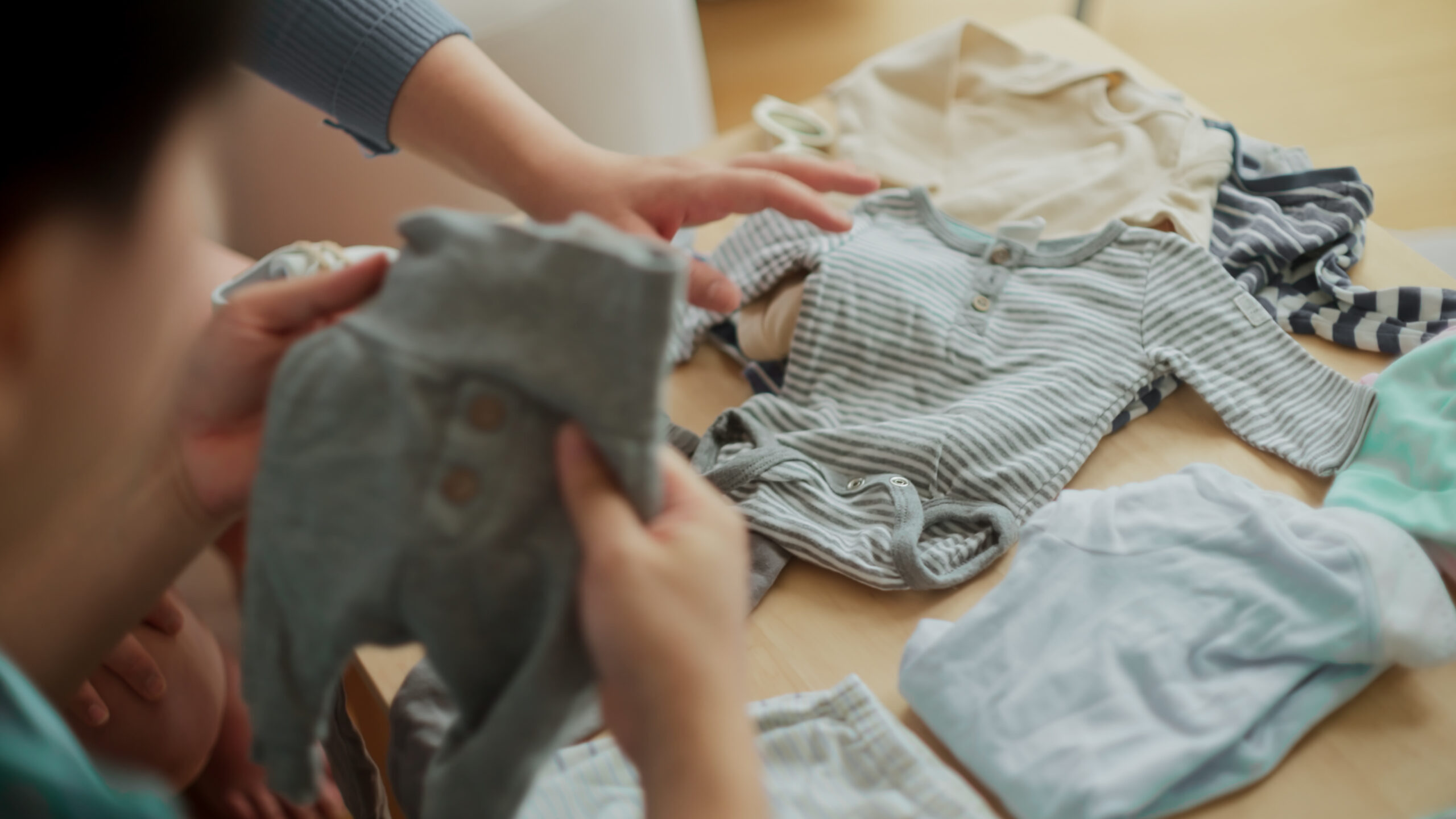
Choosing clothing for a baby involves more than simply picking colours, patterns or styles. A baby’s skin is delicate and still developing, making comfort and fabric choice particularly important during the early months and years.
Many parents quickly discover that some fabrics feel softer, breathe better and remain comfortable for longer periods. Babies spend much of their day sleeping, feeding, playing and exploring, so the materials that sit against their skin can influence comfort throughout daily routines.
While every child is different, understanding the qualities of different fabrics can help parents make informed choices when selecting baby clothing.
Why is fabric choice important for babies?
A baby’s skin is generally more sensitive than an adult’s skin.
Because of this, fabrics that feel comfortable to adults may not always be ideal for babies.
Clothing comes into contact with the skin throughout the day and night, meaning fabric can affect:
- Comfort
- Temperature regulation
- Movement
- Breathability
- Everyday wearability
Parents often find that clothing made from softer, breathable materials tends to be worn more frequently because babies appear more comfortable in it.
Babies are constantly moving
Even very young babies move more than many people realise.
As children grow, they begin:
- Rolling
- Crawling
- Sitting
- Walking
- Climbing
Comfortable fabrics can support these movements without feeling restrictive.
Which fabrics are commonly recommended for sensitive skin?
Several fabrics are regularly chosen for baby clothing because of their softness and comfort.
Cotton
Cotton remains one of the most popular choices for baby clothing.
Many parents appreciate cotton because it is:
- Soft
- Breathable
- Lightweight
- Comfortable for everyday wear
- Suitable for different seasons
Cotton clothing can often work well across a wide range of temperatures and activities.
Organic cotton
Some parents prefer organic cotton options.
In addition to offering similar comfort benefits, organic cotton products may appeal to families looking for specific manufacturing approaches.
Bamboo-based fabrics
Bamboo-based fabrics have become increasingly popular in baby clothing.
Parents often choose them because they feel:
- Soft
- Lightweight
- Comfortable
- Smooth against the skin
Many people also appreciate their flexibility and stretch.
Blended fabrics
Some baby clothing uses blends of materials to combine different benefits such as softness, durability and flexibility.
Blended fabrics can help clothing maintain shape while remaining comfortable.
What fabric features should parents look for?
Rather than focusing only on fabric names, it can be helpful to think about practical qualities.
Breathability
Babies can sometimes become uncomfortable if clothing traps excessive heat.
Breathable fabrics may help support comfort by allowing better airflow.
This can be particularly useful during:
- Warm weather
- Indoor heating seasons
- Active play
- Sleep routines
Softness
Comfort is often one of the first things parents notice when handling baby clothing.
Soft fabrics can help reduce irritation and improve comfort during long periods of wear.
Flexibility
Babies rarely stay still.
Clothing should support movement rather than restrict it.
Flexible materials often allow easier:
- Crawling
- Stretching
- Reaching
- Climbing
- Playing
Easy care
Baby clothing is washed frequently.
Parents often appreciate fabrics that:
- Wash well
- Dry reasonably quickly
- Retain softness
- Handle regular use
Practicality quickly becomes an important consideration.
Are there fabrics that may cause discomfort?
Every child is different, so reactions to fabrics can vary.
However, some materials may feel less comfortable depending on the situation.
Rough textures
Fabrics that feel scratchy or stiff may sometimes cause discomfort, particularly when worn for long periods.
Parents often notice irritation appearing around:
- Necks
- Wrists
- Legs
- Waistbands
Overheating concerns
Heavy materials can occasionally feel too warm, particularly indoors or during warmer weather.
Layering lighter fabrics often provides more flexibility than relying on thick clothing alone.
Seams and construction
Sometimes discomfort comes not from the fabric itself but from how garments are constructed.
Parents may wish to consider:
- Seams
- Labels
- Fastenings
- Tight elastic sections
Comfort often depends on the overall garment rather than fabric alone.
How can parents choose clothing that remains comfortable throughout the day?
The best clothing is often the clothing that babies barely notice.
Consider the day’s activities
Different activities may suit different clothing choices.
For example:
- Sleepwear may prioritise softness
- Playwear may prioritise flexibility
- Outdoor clothing may require layering
Think about the season
UK weather changes throughout the year.
Parents often benefit from selecting clothing that allows layering so comfort can be adjusted easily as temperatures change.
Watch your baby’s reactions
Babies often provide clear signs when something feels uncomfortable.
Parents may notice:
- Pulling at clothing
- Fussiness
- Overheating
- Red marks
- Irritation
Observing these reactions can help identify fabrics and styles that work best.
Practical examples of choosing baby clothing
Scenario one: Everyday comfort
A parent chooses soft cotton clothing for daily wear because it remains comfortable during feeding, naps and playtime.
Scenario two: Active toddler stage
As a child becomes more mobile, flexible fabrics allow comfortable movement during crawling and walking.
Scenario three: Changing seasons
Layered clothing made from breathable materials allows parents to adjust comfort throughout unpredictable UK weather.
Frequently Asked Questions
Is cotton good for babies with sensitive skin?
Many parents choose cotton because of its softness and breathability, making it a popular option for baby clothing.
Are bamboo fabrics suitable for babies?
Many bamboo-based fabrics are designed to feel soft and comfortable against delicate skin.
Should baby clothing be loose or fitted?
Clothing should generally allow comfortable movement while fitting appropriately for safety and comfort.
How often should baby clothing be washed?
This varies depending on use, but baby clothing often requires frequent washing because of feeding, spills and everyday messes.
What matters most when choosing baby clothing?
Comfort, softness, breathability and practicality are often among the most important considerations.
Choosing fabrics for baby clothing is ultimately about supporting comfort throughout daily life. Soft, breathable and practical materials can help babies stay comfortable while allowing them to explore, move and develop naturally.
By focusing on comfort rather than trends alone, parents can build a wardrobe that supports both everyday routines and growing children.
Phone: 0208 0497 882
Email: info@ninosdreams.co.uk
Find out more: Nino’s Dreams
Find us on Facebook