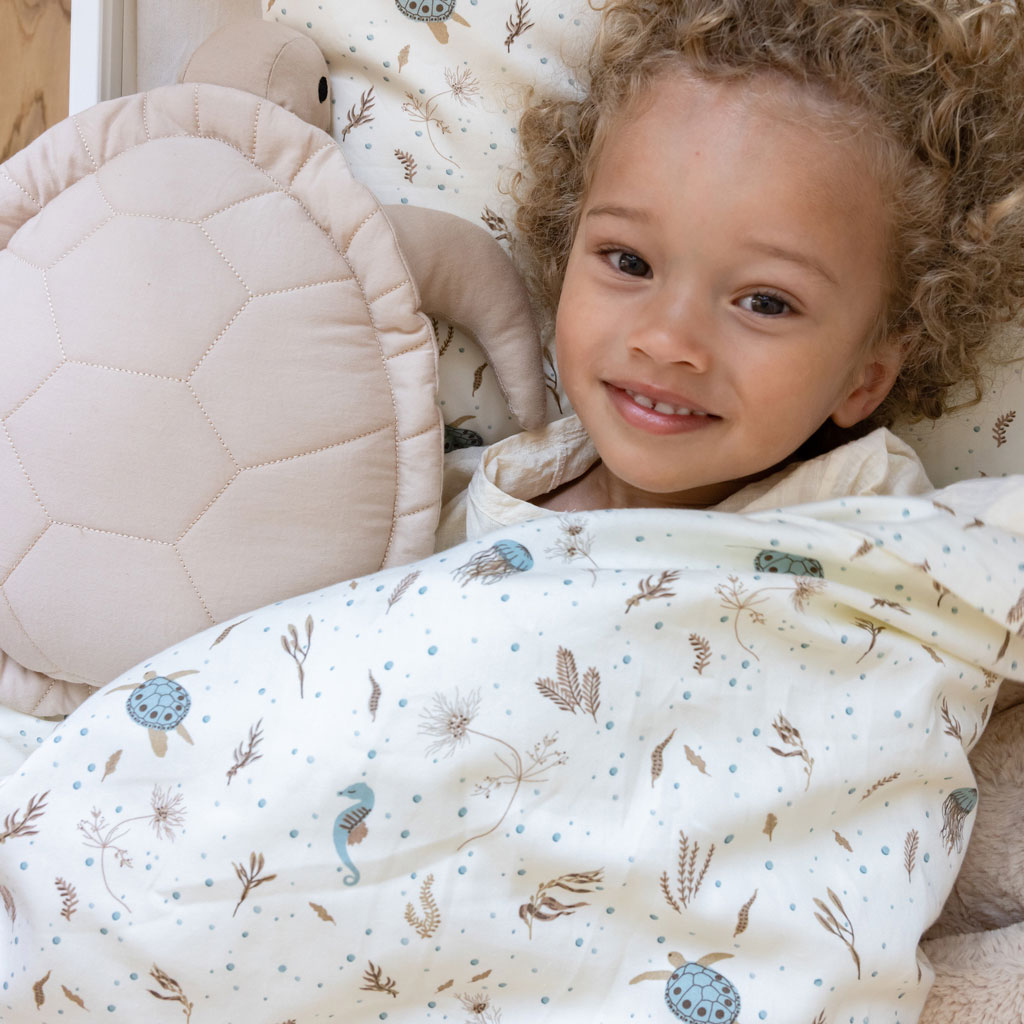
When many parents think about baby blankets, they immediately picture bedtime routines and sleeping babies tucked in comfortably. While blankets are often associated with sleep, their role can extend far beyond the nursery.
During early childhood, parents frequently discover that certain items become part of everyday life because of their practicality and versatility. Baby blankets often fall into this category. They can provide comfort, warmth and familiarity while supporting numerous daily activities both at home and while out and about.
Many families find that blankets become one of the most frequently used baby accessories simply because they adapt easily to different situations.
How do baby blankets support everyday routines?
Babies and toddlers experience many transitions throughout the day.
These might include:
- Moving from home to the car
- Travelling in a pram
- Visiting family members
- Attending nursery
- Moving between activities
- Settling before sleep
Blankets can help provide continuity during these changes.
Familiarity can create comfort
Babies often respond positively to familiar textures and smells.
While adults may not think much about a favourite blanket, young children can develop strong associations with familiar items because they represent consistency.
For example, a blanket that is used regularly may become associated with:
- Comfort
- Relaxation
- Feeding time
- Cuddles
- Rest
These associations can sometimes help children settle more easily during unfamiliar situations.
Practical support throughout the day
Parents quickly learn that many baby items need to serve multiple purposes.
Blankets are often used during:
- Feeding sessions
- Pram journeys
- Quiet time
- Naps away from home
- Story time
- Cuddling
Their flexibility can make them useful additions to changing bags and everyday routines.
Can blankets help babies feel comforted and secure?
Feelings of comfort and security play an important role during early childhood.
Babies are adjusting to new environments, people and experiences every day. Small familiar items can sometimes help make these situations feel more manageable.
Providing reassurance during change
New situations can occasionally feel overwhelming for young children.
Examples include:
- Visiting new places
- Travelling
- Meeting unfamiliar people
- Starting nursery
- Experiencing changes to routines
Having a familiar blanket nearby may help provide a sense of reassurance.
Children often build emotional connections with objects that appear regularly during comforting experiences.
Supporting calming routines
Many families naturally create comforting patterns around certain activities.
For example:
Bath time followed by a blanket, cuddles and a story may gradually become a familiar evening routine.
Repeated routines often help babies recognise signals that certain activities are approaching.
Are baby blankets useful outside the nursery?
One of the biggest advantages of baby blankets is their versatility.
Parents frequently find themselves using blankets in situations they had not originally anticipated.
During travel
Travelling with babies and toddlers often requires planning for changing temperatures and unpredictable conditions.
Blankets can be useful during:
- Car journeys
- Pushchair walks
- Family visits
- Holidays
- Waiting rooms
- Outdoor trips
Weather in the UK can change quickly, even during warmer months.
An extra layer can sometimes become useful unexpectedly.
Outdoor activities
Families spending time outdoors may use blankets for:
- Picnics
- Garden play
- Park visits
- Beach trips
- Rest breaks
Blankets can create soft, comfortable spaces while helping keep babies away from colder or rougher surfaces.
How can blankets support play and development?
Baby blankets can also support learning and play.
Although they may seem simple, they can become part of numerous developmental activities.
Creating comfortable play spaces
During early months, babies spend a great deal of time lying, stretching and exploring movement.
Blankets can provide:
- Soft surfaces
- Comfortable tummy time spaces
- Areas for supervised play
- Safe exploration spaces
Parents often use blankets to create familiar play areas around the home.
Encouraging imagination in toddler years
As children grow, blankets often become part of imaginative play.
Parents may suddenly discover their toddler using blankets as:
- Dens
- Capes
- Tents
- Story settings
- Hide-and-seek spaces
Simple objects often support creativity surprisingly well.
What should parents consider when choosing a baby blanket?
With many styles available, selecting a blanket can sometimes feel more complicated than expected.
Practical considerations often help narrow options.
Material and comfort
Babies have delicate skin, so softness and comfort often become priorities.
Parents frequently look for materials that feel:
- Gentle
- Breathable
- Comfortable
- Lightweight
- Suitable for everyday use
Ease of cleaning
Blankets tend to accompany babies almost everywhere.
This means they frequently experience:
- Milk spills
- Food messes
- Outdoor use
- General everyday wear
Products that can handle regular washing often prove useful.
Size and practicality
Different blanket sizes may suit different purposes.
For example:
Smaller blankets may work well in changing bags and travel situations.
Larger blankets may be useful for floor play or creating comfortable spaces during outings.
Everyday examples of blanket use
Sometimes the usefulness of baby blankets becomes clearer through real-life examples.
Scenario one: Pram walks
A family leaves home on a mild afternoon.
Later, the weather changes and temperatures drop slightly.
A blanket provides quick extra warmth without needing a complete outfit change.
Scenario two: Visiting family
A baby becomes unsettled while visiting relatives.
A familiar blanket used regularly at home helps create a sense of familiarity and comfort.
Scenario three: Playtime at home
A parent spreads a blanket across the floor for tummy time and toy exploration.
The baby uses the space regularly and gradually associates it with enjoyable activities.
Why simple products sometimes become everyday essentials
Parents often buy products expecting certain items to become favourites, only to discover that simpler accessories are used much more frequently.
Blankets often become part of daily life because they adapt to changing situations so easily.
Rather than serving one purpose, they can support:
- Comfort
- Warmth
- Travel
- Play
- Relaxation
- Familiarity
This flexibility often makes them valuable throughout early childhood.
Frequently Asked Questions
How many baby blankets do parents usually need?
This varies between families, although many parents find multiple blankets useful for washing, travel and different activities.
Can baby blankets be used outdoors?
Yes. Blankets can be useful during walks, picnics and outdoor activities depending on weather conditions and intended use.
Are blankets helpful during travel?
Many parents find blankets useful during car journeys and family trips because they provide warmth and familiarity.
Can blankets support tummy time?
Blankets can create comfortable supervised play areas that support movement and exploration.
Why do some children become attached to blankets?
Children often associate familiar blankets with comfort, security and regular routines.
Baby blankets can provide far more than warmth during bedtime. They often become part of daily routines, travel experiences, playtime and comforting moments throughout early childhood.
Their flexibility and familiarity can make them practical accessories that continue supporting families long after the nursery stage.
Phone: 0208 0497 882
Email: info@ninosdreams.co.uk
Find out more: Nino’s Dreams
Find us on Facebook